For one week every June, Basel once again became the global capital of contemporary art. Yet the 2026 edition of Art Basel felt less like a celebration of a booming market and more like a reflection on how the art world is evolving. Rather than focusing solely on sales, the fair highlighted resilience, innovation, and the changing relationship between art, technology, and audiences.

Basel Exclusive: Bringing Back Discovery
The standout innovation this year was Basel Exclusive, an initiative developed with participating galleries that reserved selected masterpieces until the VIP opening. At a time when collectors often preview and even purchase works months before a fair opens, Basel Exclusive restored something increasingly rare: surprise.
Instead of discovering artworks through PDFs or private online viewing rooms, collectors encountered them for the first time in person. The initiative shifted the emphasis from the scarcity of objects to the scarcity of experience, reminding visitors that the excitement of art often lies in genuine discovery.
Zero 10: Digital Art Comes of Age
One of the fair’s most significant additions was the Swiss debut of Zero 10, previously presented in Miami and Hong Kong. Curated by Trevor Paglen and Eli Scheinman, the platform explored how artificial intelligence, algorithms, and digital networks are reshaping contemporary life.
Rather than celebrating technology for its own sake, Zero 10 examined its cultural and psychological impact. The result was a mature presentation of digital art that asked not what technology can do, but how it changes the way we see, remember, and experience the world.
Unlimited Sets the Tone
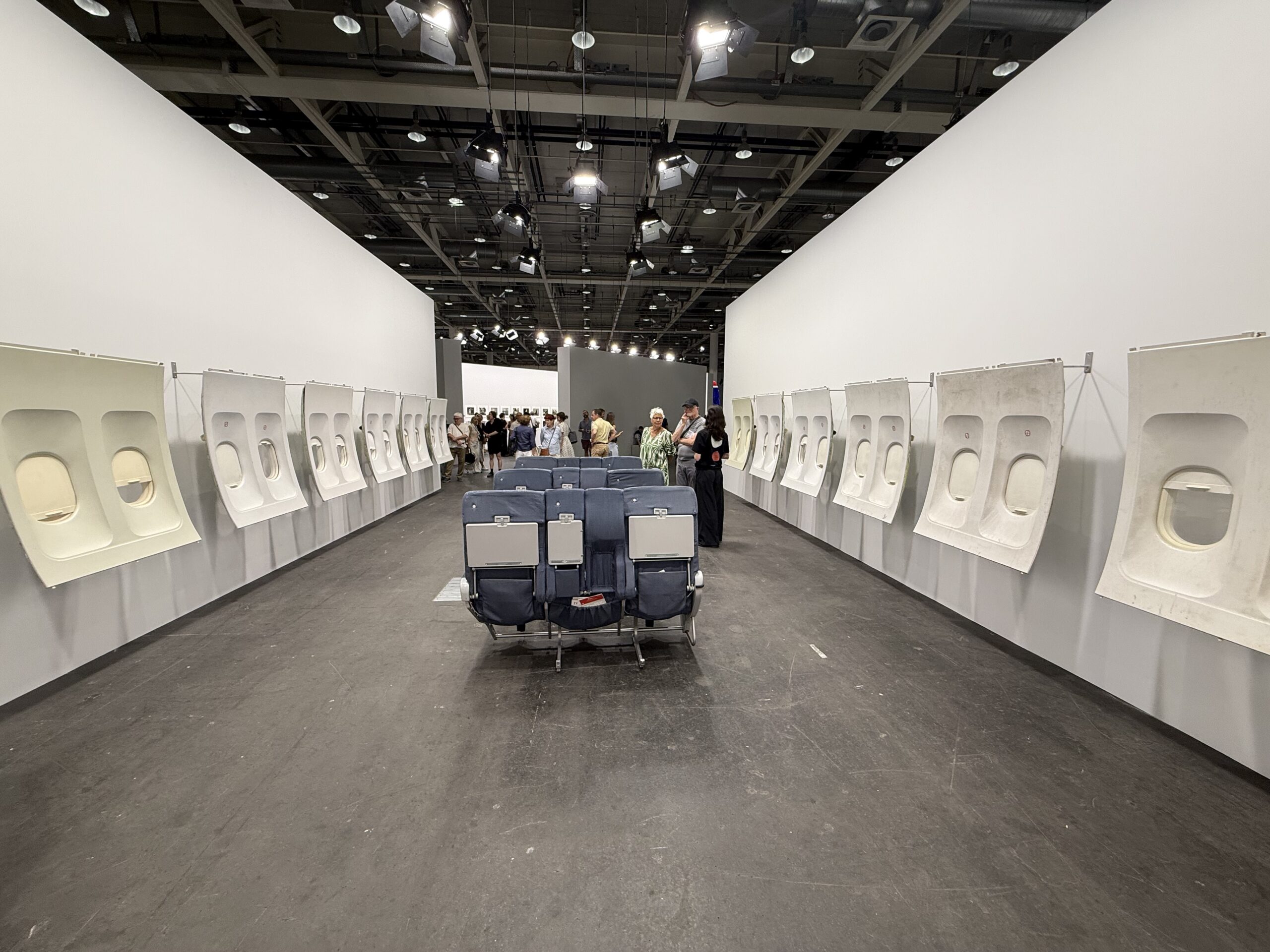
Still the intellectual heart of the fair, Unlimited entered a new chapter under curator Ruba Katrib of MoMA PS1. Featuring 59 monumental projects presented by 66 galleries, the section transformed the exhibition hall into a museum-scale experience.
Large installations, video works, performances, and immersive environments addressed political, ecological, and social issues with remarkable ambition. More than ever, Unlimited demonstrated how Art Basel continues to balance commercial success with curatorial excellence.

A Fair Beyond the Fair
Art Basel also expanded beyond the Messe halls through Parcours, curated by Stefanie Hessler. Twenty-two site-specific installations transformed Basel itself into an open-air exhibition, encouraging visitors to encounter contemporary art in streets, historic buildings, shops, and public spaces.
The growing Premier sector also confirmed its importance by expanding from ten to seventeen presentations, giving greater visibility to outstanding mid-career artists and recent works.
Why Basel Still Matters
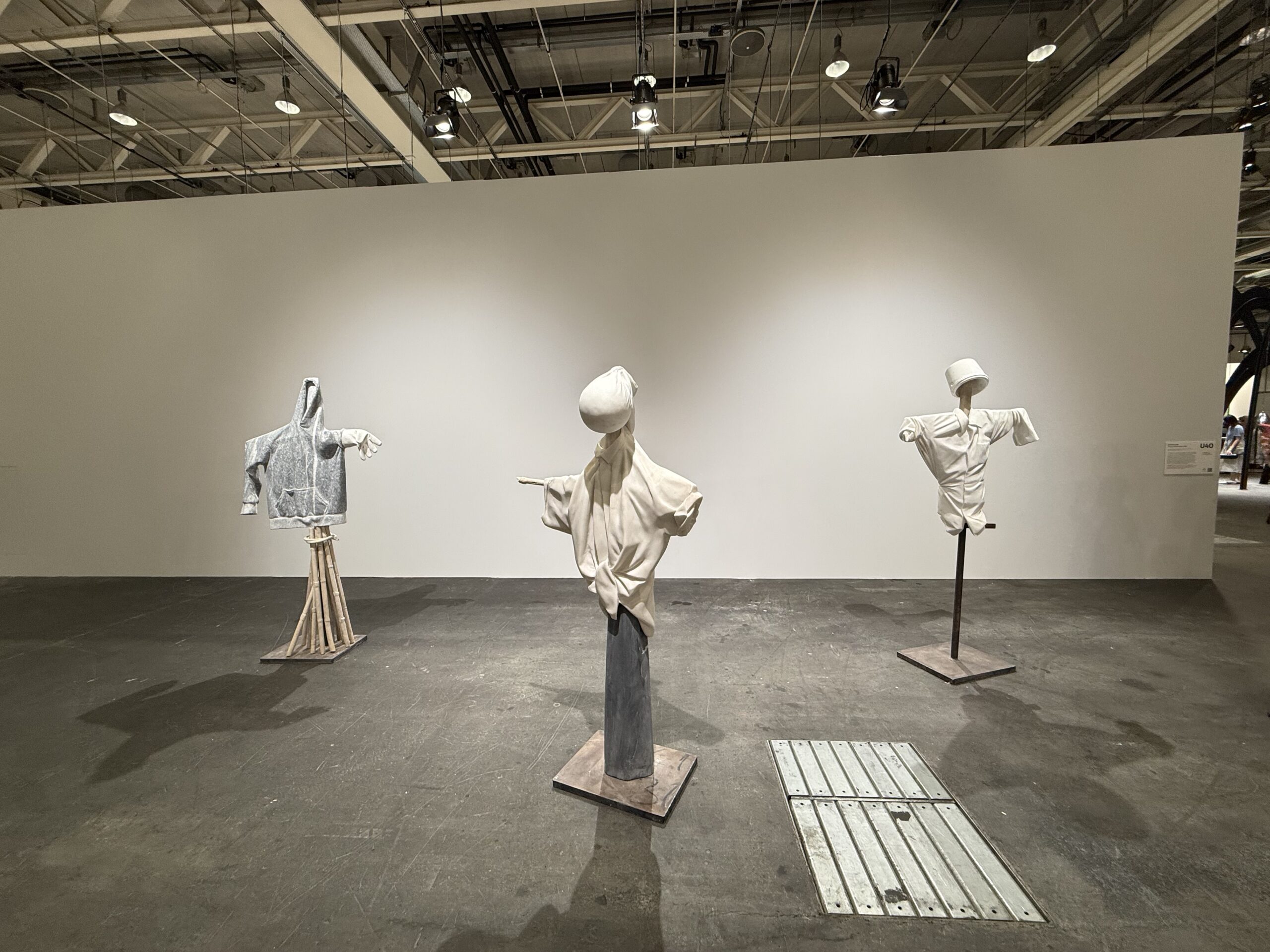
Throughout the fair, one trend became unmistakable: galleries increasingly favored carefully curated presentations over densely packed booths. Many stands resembled museum exhibitions rather than commercial displays, reflecting a market that values storytelling, scholarship, and thoughtful curation.
Art Basel 2026 demonstrated that while the global art market continues to evolve, Basel remains its symbolic center. It successfully embraces innovation through initiatives like Basel Exclusive and Zero 10 while preserving the qualities that have made it the world’s leading art fair for over five decades.
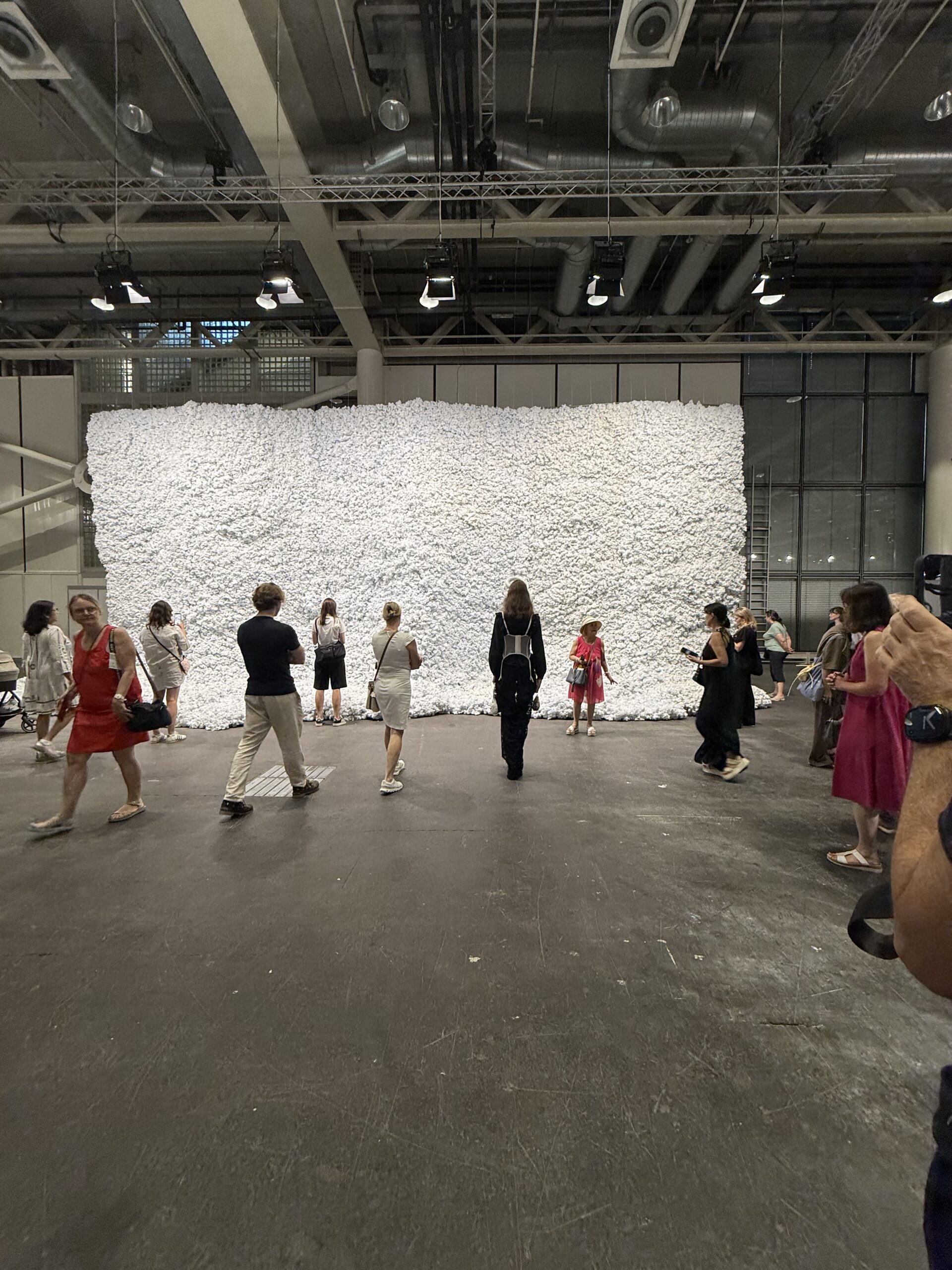
In an increasingly fragmented international art world, Basel continues to bring together artists, collectors, curators, museums, and galleries from across the globe. More than a marketplace, it remains a place where ideas are exchanged, new directions emerge, and the future of contemporary art takes shape.
The heart of Art Basel still beats in Basel.