
Written by Maria May
Beth Byerly did not learn leadership in a classroom. She learned it by watching people who were good at it.

Growing up in a multicultural environment, she noticed early that the people who actually got things done were rarely the ones with the loudest voice or the highest title. They were the ones who listened before they spoke, who took the time to understand the context before making demands of it, who acknowledged the people in front of them before asking anything in return.
“That presence, genuine curiosity, real respect for the person in front of you, didn’t just build goodwill,” she says. “It evoked favour. Collaboration came easier. People felt ownership. Complicated pursuits became doable.”
That observation eventually became her life’s work. Today, as a certified leadership coach, Beth works with executives, leaders and teams in organizations across industries and cultures. The pattern she keeps encountering confirms what she understood as a child: the qualities that make someone effective across difference are the same ones that sustain performance under pressure.
PwC’s most recent Global CEO Survey puts business leader confidence at a five-year low. Beth is not surprised. “The most pervasive thing I hear from leaders is that the world feels like it’s coming apart,” she says. “Everything feels out of control.”
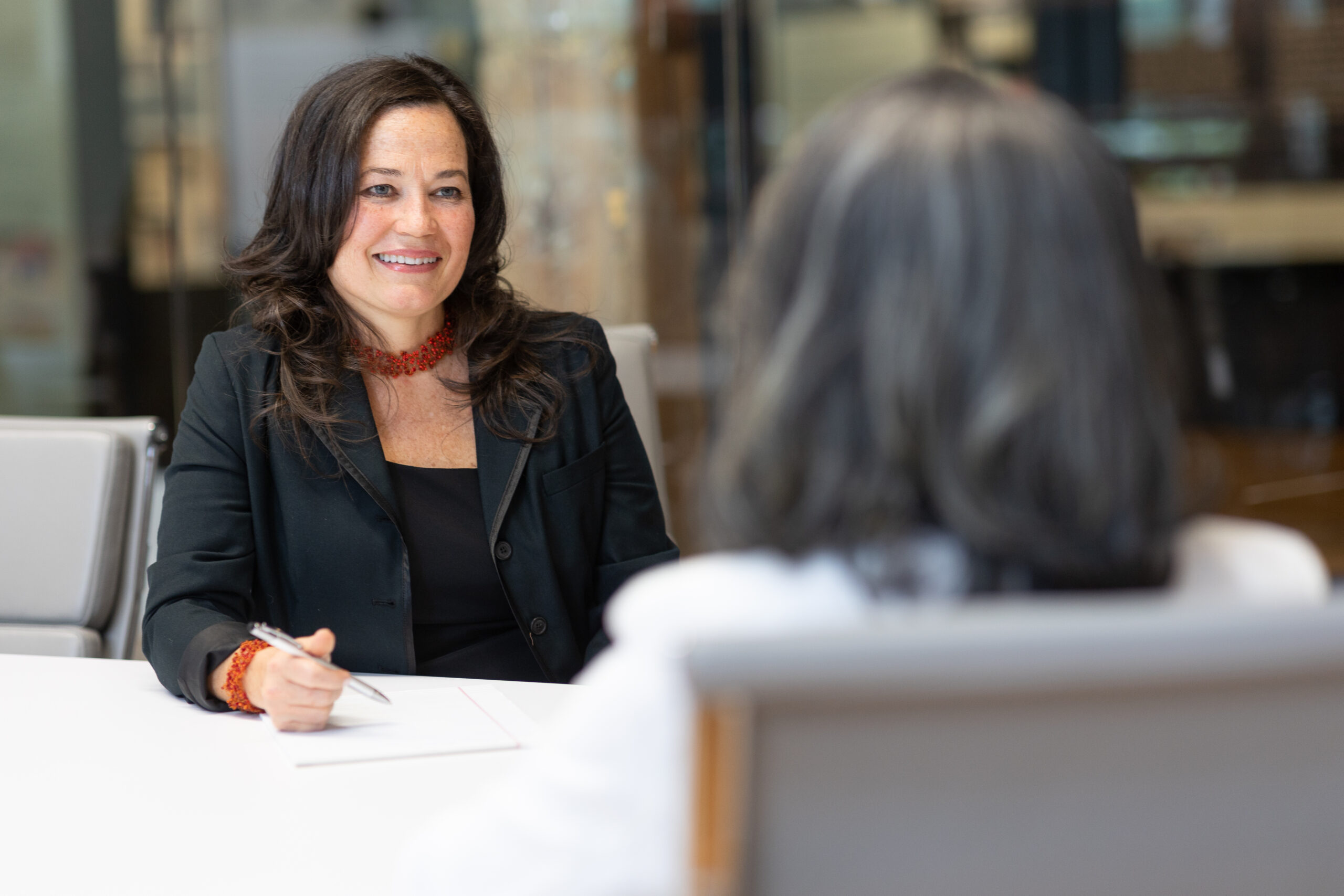
Geopolitical instability, AI disruption, polarization and cultural complexity do not stay at the door when leaders arrive at work. They shape how decisions get made, how teams hold together, and how much margin remains when the next unexpected thing lands. And the expectations have not softened to match: perform, innovate, care for your people, adapt continuously, deliver with less. The pressure is real and it is cumulative.
What troubles Beth most is not the pressure itself, but the gap between what leaders are facing and what they were actually prepared for. As Michelle Obama observed at SXSW London, capable and accomplished people are navigating conditions they were never trained for, and certainty at the top is mostly a myth. Beth sees this daily. Leaders are not failing. They are operating without a map in territory that did not exist when their skills were formed.

That distinction changes the question entirely. Rather than asking how to master the current crisis, Beth asks something more durable: how do we become the kind of leaders who can steward their own capacity, and their team’s capacity, no matter what comes next?
The answer, she has found, begins closer to home than most leaders expect.
“It starts with you,” she says. “It’s knowing yourself well enough to recognize when you’re triggered, and managing that before it affects everyone around you. Moving from reacting under pressure to responding with intention.”
At a recent conference, Beth heard Dr. Selina Neri, dean and CEO of the Future Readiness Academy in the UAE, make a related point: skill alone is not enough. Highly skilled people can still be ineffective if they lack self-knowledge, cannot relate to others, or cannot collaborate. Technical capability without self-awareness is competence without direction.
Beth builds on this through what she calls positional leadership: the ability to read a moment and know where to stand within it. Sometimes that means leading from the front, making the hard call and owning the outcome. Sometimes it means stepping beside a team member who is better suited to take point. Sometimes it means stepping back entirely, clearing the path so others can lead. “The skill isn’t in any one of those positions,” she says. “It’s in reading the moment well enough to know which one it’s asking for.”
The parallel to this issue’s theme of regeneration runs deeper than metaphor. PwC’s same CEO survey found that companies moving fastest to reinvent are outperforming their peers, not just surviving disruption but emerging from it more capable than before. That kind of reinvention does not come from pushing harder. It comes from leaders who have built the internal capacity to ask better questions and meet what is actually in front of them, rather than what used to work.
“Rest isn’t the opposite of performance,” Beth says. “It’s what makes performance sustainable.” For many leaders, recovery sits at the bottom of the to-do list, which means it never happens, because the urgent list never empties. But Beth argues that reflection is not self-indulgent: it is strategic. It is how you catch the warning signs early enough to redirect before a problem becomes a crisis.
Regeneration, in her frame, is not a return to how things were. It is reinvention at the human level, the ongoing practice of renewing the capacity to lead clearly, think well and stay connected to purpose even as the conditions keep shifting.
“The future will not be led well by depleted people trying to push themselves and others harder,” she says. “It will be shaped by those who learn how to meet it regenerated, present and on purpose, and help others do the same.”
In a moment defined by speed and uncertainty, that may be the most honest thing anyone has said about leadership in a long time.
Images courtesy of Byerly Coaching (LLC).
For more information about Beth Byerly and her work with leaders, teams, and organizations, please visit her profile using the links below.
Website: byerlycoaching.com
LinkedIn: https://www.linkedin.com/in/bethbyerly/