
By Maria May
Understanding Iron Deficiency in Women
Why iron may be the most overlooked key to your energy, your brain, and your body’s ability to renew itself.
For years, I lived with a vague, persistent exhaustion that I had quietly accepted as part of my life. As a lifelong vegetarian, I had been told more than once that my iron was low. I took the tablets I was given, noticed minimal change, and assumed this was simply how I was built.
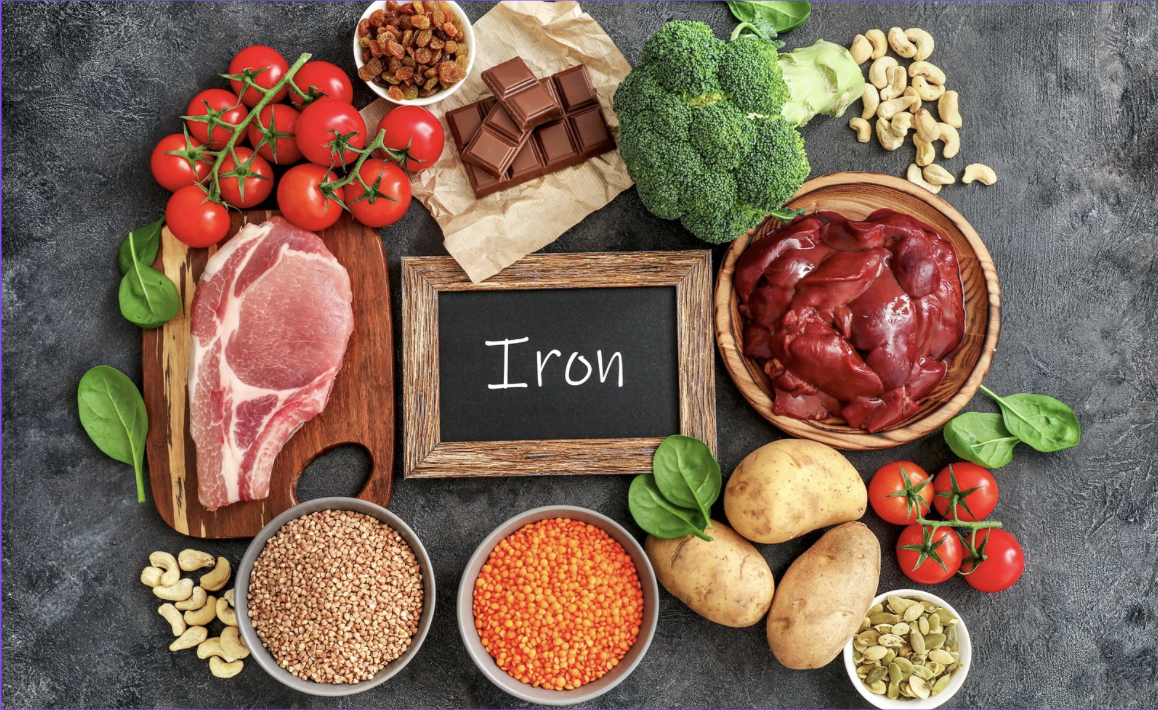
Then, two years ago, I received my first intravenous iron infusion. Within days, something shifted. Energy I had not felt in years returned. I had not realised how much I had been running on empty until I finally was not.
It was that experience that led me to Prof. Dr. Christian Breymann, assistant professor and one of Europe’s leading experts on iron metabolism, with more than 50 published studies and two books on the subject. I wanted to understand what was actually happening in my body, and why the tablets had never been enough.
Prof. Breymann’s interest in iron did not begin with iron at all. It began with EPO, erythropoietin, the hormone that stimulates red blood cell production, and the one made infamous by Lance Armstrong and the cycling doping scandals of the 1990s. His research group at the time was exploring a very different application: using EPO to help women with severe blood loss after childbirth, avoiding the need for blood transfusions. What they quickly discovered was that EPO alone accomplished very little.
“EPO is like the fire,” he explains. “It pushes production. But iron is the coal. It is the fuel. Without it, nothing burns.”
That insight sent him deep into iron metabolism, a field that, he argues, remains poorly understood even today, both by patients and by many physicians.
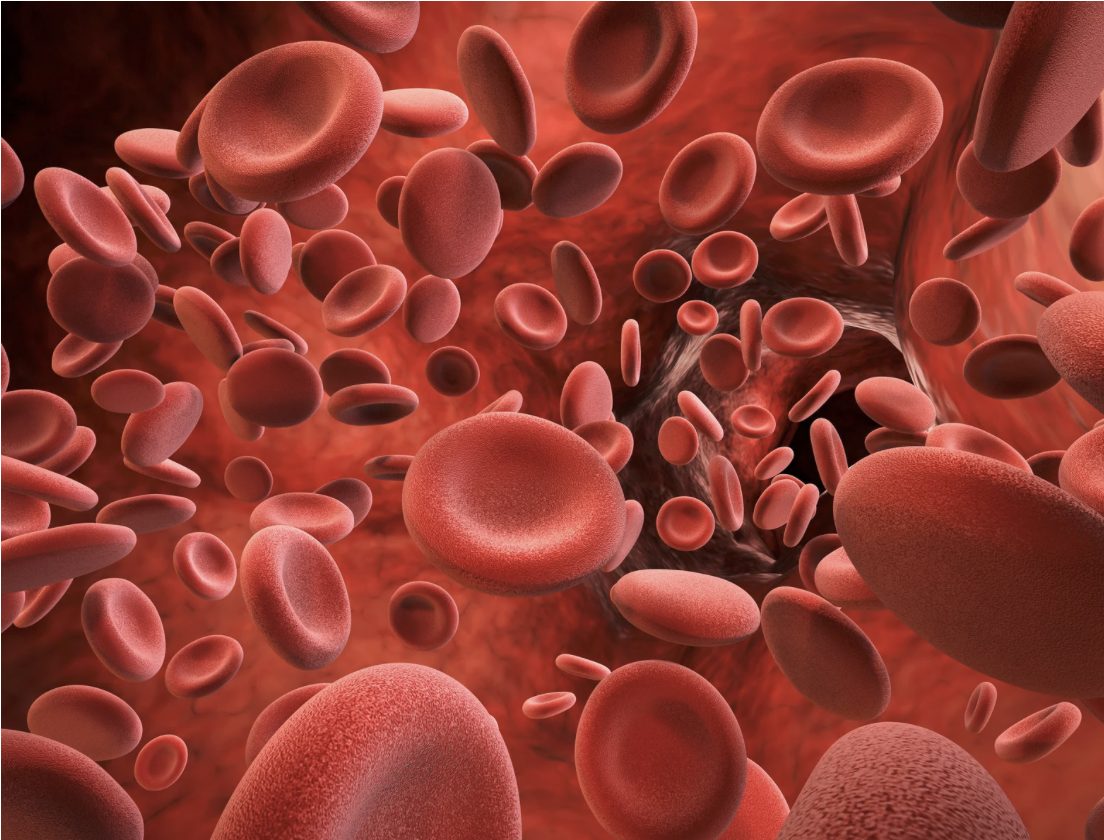
According to Professor Breymann, recognising iron deficiency in women is an important step towards understanding symptoms such as persistent fatigue and reduced concentration. Identifying the underlying cause through appropriate medical assessment can help women receive the care they need.
Iron, he explains, is the powerplant of every cell in the human body. Every cell depends on iron for its metabolic function. It is essential not just for haemoglobin and the transport of oxygen in the blood, but for muscle function, neurological health and, critically, the brain. Research shows that children with iron deficiency develop fewer synaptic connections and less neural plasticity. In adults, iron deficiency is closely associated with fatigue, difficulty concentrating, poor sleep, hair loss and a general deterioration in the quality of almost every system in the body.
“Your system,” he says, “is only as good as your levels are.”
The connection to this issue’s theme of regeneration is direct. Cellular renewal, tissue repair, cognitive clarity: none of these processes function properly without adequate iron. It is not a supplement for energy. It is a prerequisite for the body’s capacity to restore itself at all.
So why do so many women with iron deficiency see little improvement from standard iron tablets? Prof. Breymann is clear on this point. The absorption rate of oral iron is very low, often around 5% under normal conditions. Meanwhile, a woman who loses approximately 100ml of blood during her period loses around 50mg of iron with it. Half of blood is iron. The mathematics of trying to replenish iron stores through tablets while simultaneously losing iron every month, and contending with the gastrointestinal side effects that cause many women to stop taking the tablets altogether, makes the task almost impossible.
“To properly fill your iron stores,” he says, “you need at least 1,000mg of absorbed iron. You can imagine how long that takes with tablets, even in the best conditions, while the loss continues every cycle.”
Intravenous iron bypasses all of this. It delivers iron directly and efficiently, without the digestive side effects and without depending on absorption rates that vary enormously from person to person. Prof. Breymann has spent years advocating for wider clinical acceptance of IV iron for women, including during and after pregnancy, a process he describes as frustratingly slow given the strength of the evidence.
One practical note that surprises many patients: the ferritin threshold used to assess iron stores has shifted. While laboratory reference ranges have historically placed the lower limit much lower, the current clinical understanding is that a ferritin level below 30 already carries an approximately 80% probability that iron stores are depleted. Many women are told their results are normal when, by current standards, they are not.
If I could offer one question worth asking your doctor, it is this: not just whether your iron is in range, but what your ferritin is, and whether that number still reflects the evidence.
For me, the answer arrived two years ago in the form of a short infusion and a very different kind of morning. It turns out regeneration sometimes starts with the simplest elements.
The ones your body has been waiting for all along.
Prof. Dr. Christian Breymann is an assistant professor and specialist in iron metabolism, with more than 50 published scientific articles and two books on the subject.