Cao Fei Kunstmuseum Basel brings together contemporary art, technology and visions of the future in Testimonies to the Near Future. Through immersive installations, video and digital worlds, the acclaimed Chinese artist explores how rapid technological and social change shapes our identities, relationships and everyday lives.
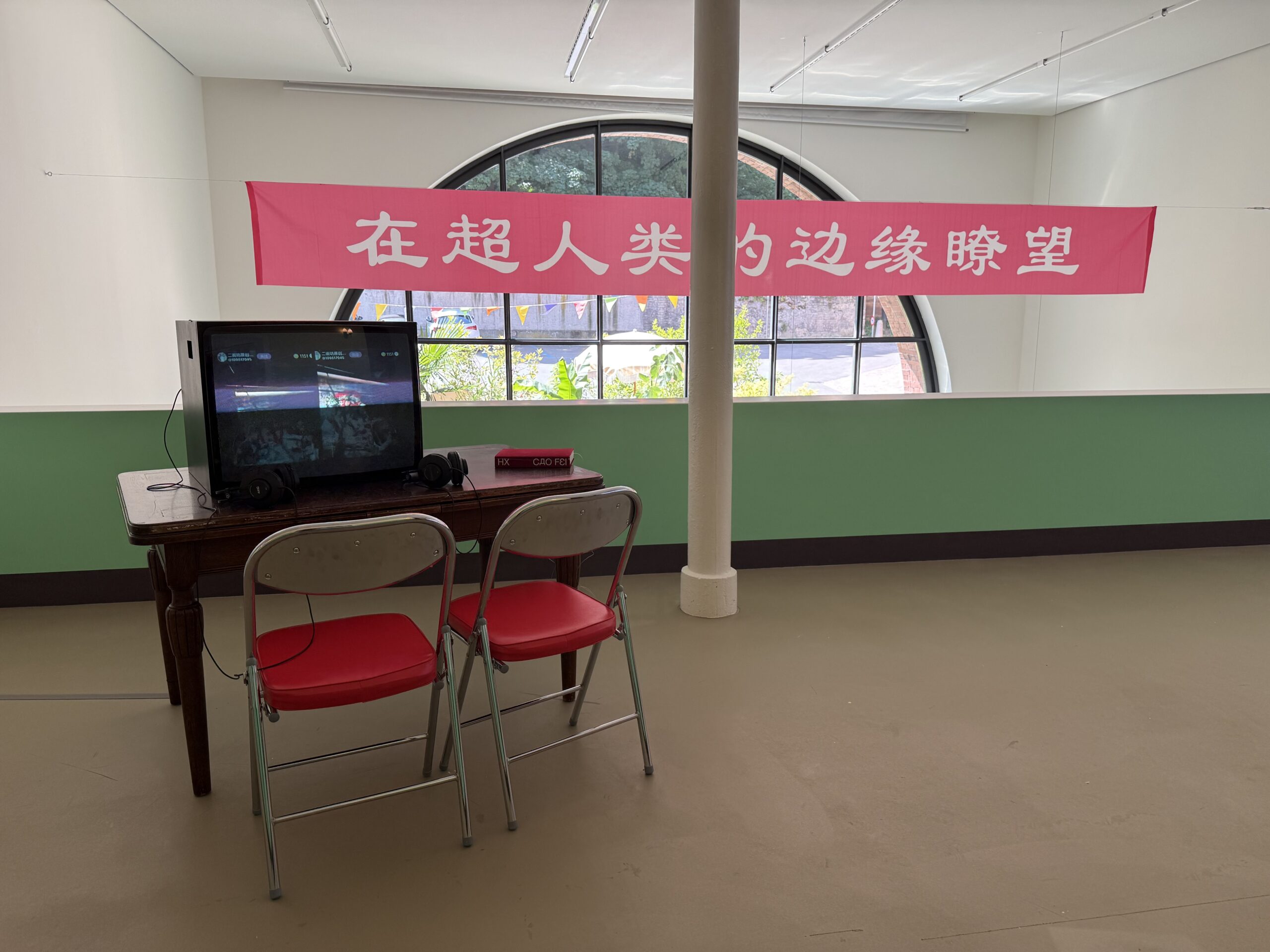
Walking through Cao Fei’s exhibition at Kunstmuseum Basel, you quickly lose your bearings in the best possible way. Spread across four floors of the museum’s Gegenwart building, Testimonies to the Near Future is not a retrospective and not quite an exhibition in the traditional sense. “I built a city,” the artist says. “The goal is to make the audience forget they are looking at an exhibition.” She succeeds.
Born in Guangzhou in 1978 and widely regarded as one of the most significant contemporary artists to emerge from China this century, Cao Fei works across video, photography, virtual reality and installation to examine what globalization, technology and rapid urbanization are doing to human experience from the inside. Her images move between documentary realism and speculative fiction, and the emotional register she inhabits, somewhere between wonder and unease, is precisely what gives her work its unsettling resonance.
When I ask her whether she sees the future as a space of hope or anxiety, her answer reframes the question entirely. “The future is not a ‘space,’ but rather a relative sense of time,” she says. “The future is the present. It is built by stacking up every single second of the past.” Anxiety and hope, she argues, are simply reflections of humanity’s dread of death and its yearning for what has not yet arrived, not qualities of the future itself, but symptoms of being alive within time.
That understanding of time as layered rather than linear runs through her treatment of memory. Digital culture, she observes, has not simply preserved memory; it has changed its texture entirely. “Our memories used to be like film or written correspondence. They would fade and blur, but they could be touched, and they held warmth.” What digital life offers instead is storage without digestion: everything recorded, little truly absorbed. The meme, the dating app, the AI companion all manufacture new forms of intimacy, she says, but these are intimacies that are screen-based and editable in ways that alter what closeness actually means.
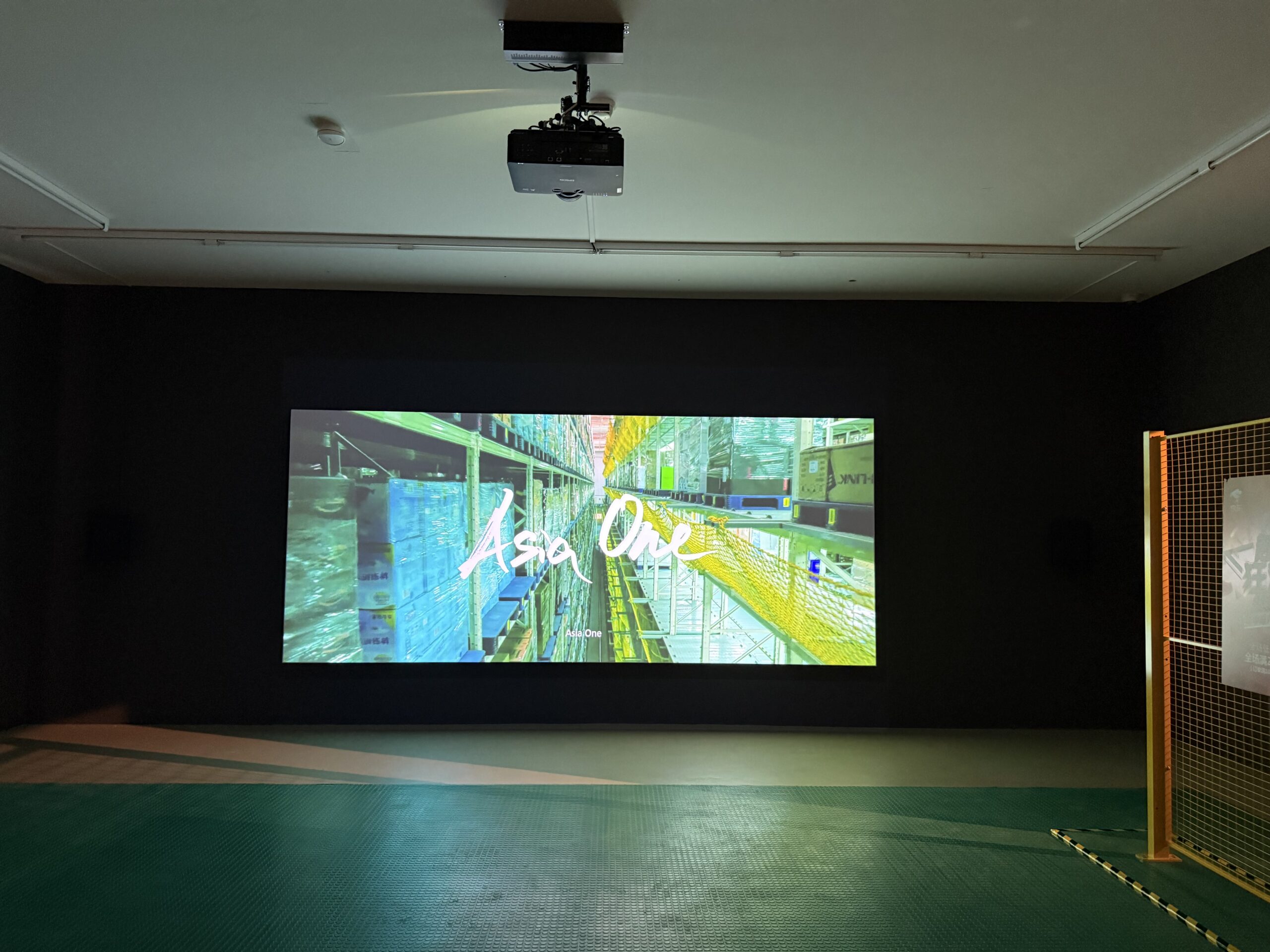
Her most searing work on this theme involves labour. In Whose Utopia, a female factory worker dances beside an assembly line, and Cao Fei describes the gesture with characteristic precision: “She uses her body to declare: I still have dreams, and I refuse to let the value of my life be tethered to a machine.” In Asia One, set inside a hyper-automated warehouse, workers and machinery develop something closer to a choreography than a conflict, a negotiation between human will and mechanical efficiency that is neither triumphant nor defeated.

That quality, the refusal of easy conclusions, is what makes Cao Fei’s work feel genuinely regenerative in the deepest sense. She does not offer utopia or its opposite. She maps the terrain of a world in transformation and trusts her audience to find their own position within it. “When audiences see my work,” she says, “their first reaction is rarely ‘This is from China.’ Instead, they feel: this is our shared experience too.”
It is. That is exactly what it is.