Written By Maria May
Some photographers document history. Others quietly become part of it. Georges Braunschweig belongs to the latter.
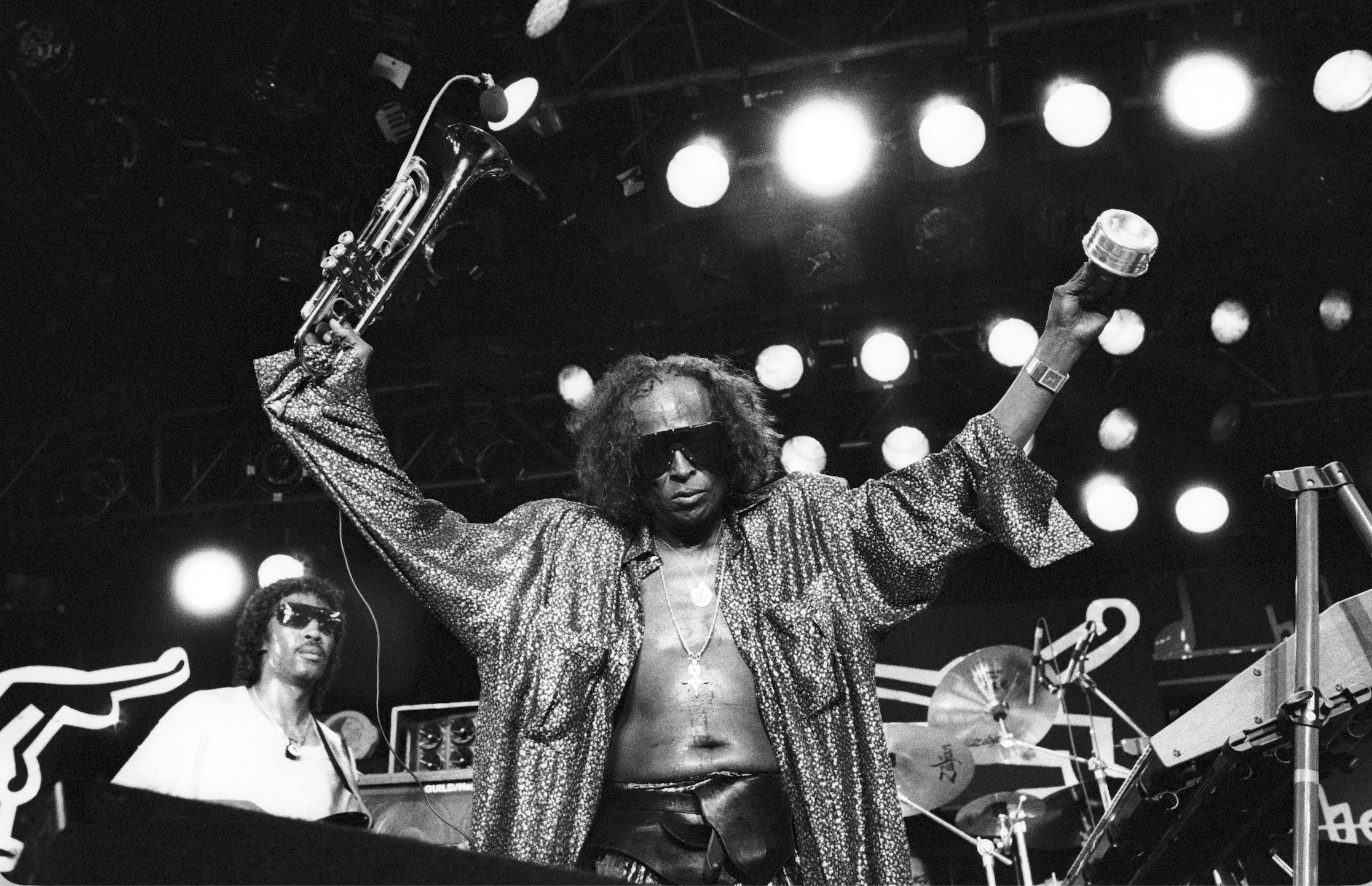
For more than half a century, he has stood just beyond the spotlight, preserving moments that would otherwise have vanished forever. Through his lens, the world’s greatest musicians have revealed something far more intimate than a performance: vulnerability, passion, concentration, and pure emotion.
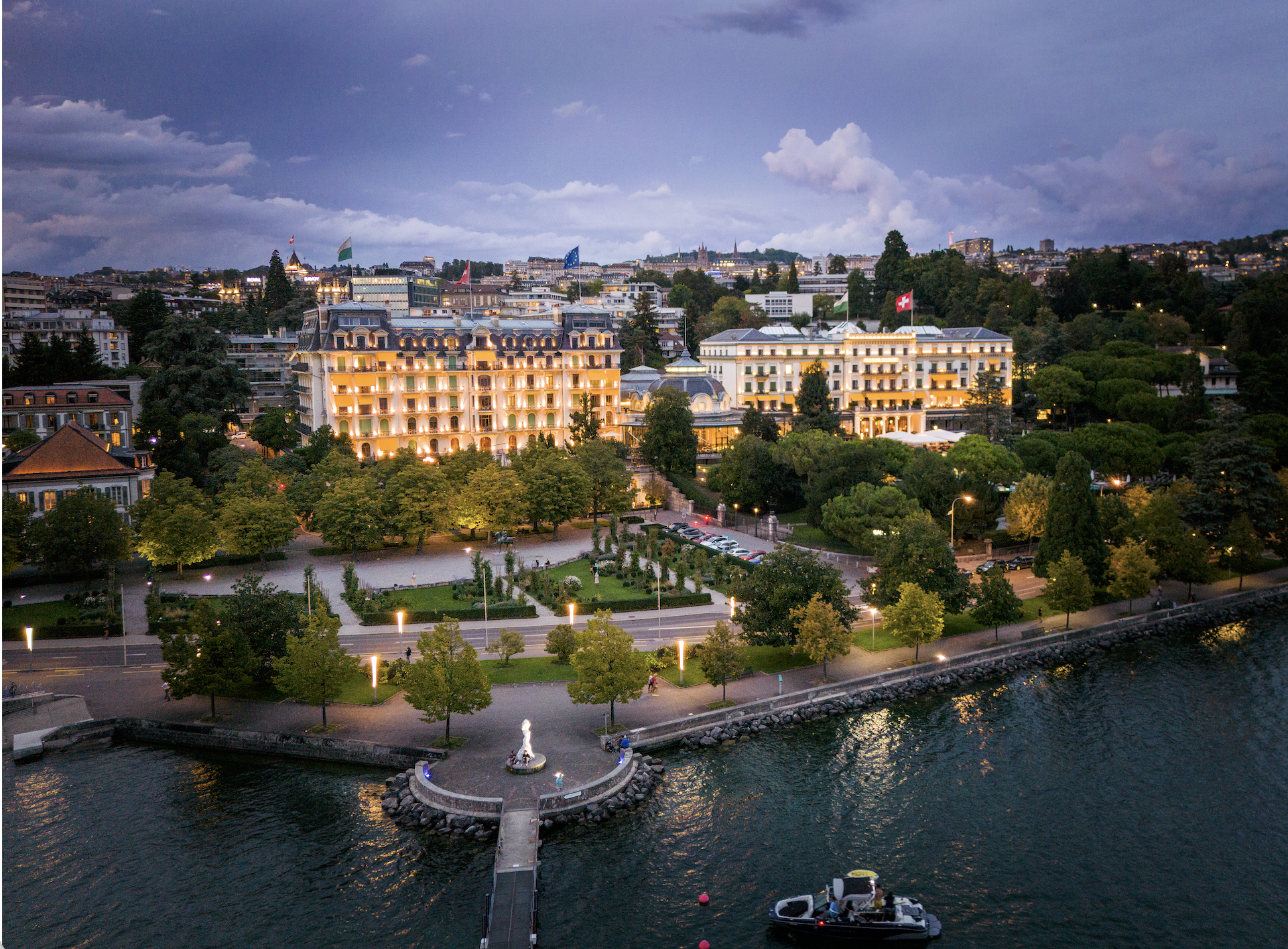
As the Montreux Jazz Festival celebrates its 60th anniversary, the Beau-Rivage Palace Lausanne pays tribute to one of its greatest visual storytellers with an exceptional exhibition celebrating a lifetime behind the lens.
Meeting Georges Braunschweig at the Beau-Rivage Palace is an experience in itself. At 82 years old, he still radiates the quiet curiosity that has guided him throughout his remarkable career. He speaks with humility, never placing himself at the center of the story. Instead, every conversation returns to the music, the artists, and the privilege of witnessing unforgettable moments.
His journey began almost by chance.
Growing up surrounded by classical music, Georges discovered jazz in the late 1960s. Captivated by the powerful black-and-white concert photographs published in jazz magazines, he purchased his first camera without truly knowing how to use it. Only months later, he photographed Roberta Flack at the Montreux Jazz Festival, a single image that would unknowingly launch a career spanning more than five decades.
Today, Georges Braunschweig’s archive includes more than 200,000 photo-graphs, making it one of the world’s most significant collections dedicated to live music. More than half have already been digitized by EPFL, ensuring this extraordinary cultural heritage will inspire future generations.
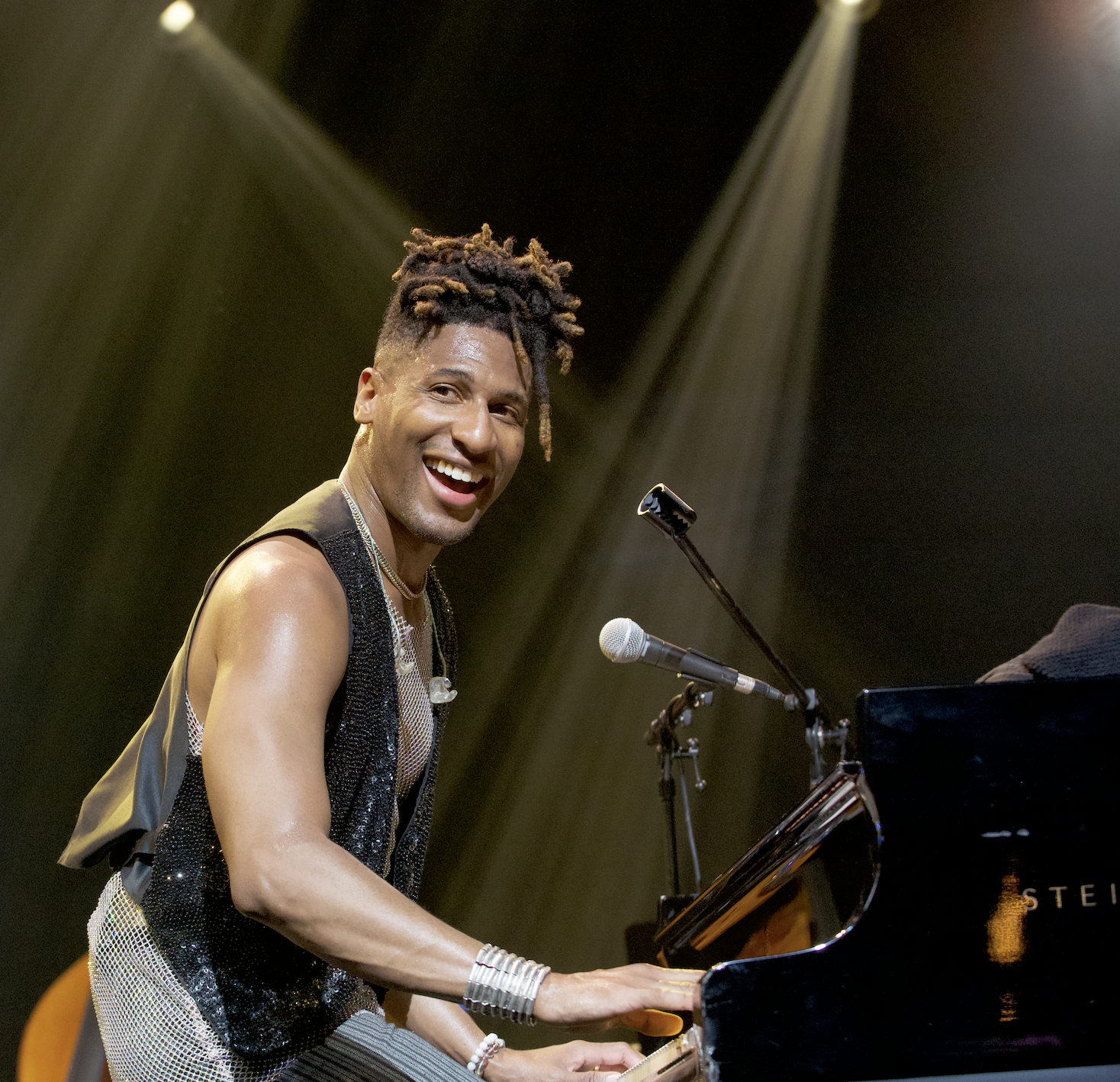
His photographs have immortalized legends including Miles Davis, Nina Simone, Marvin Gaye, Ella Fitzgerald, B.B. King, Aretha Franklin, Leonard Cohen, Quincy Jones, Alicia Keys, Jon Batiste, Charles Lloyd, Grace Jones, and countless others. More than 130 album covers around the world feature his work, yet recognition has never been what motivated him.
When asked which artist left the greatest impression on him, Georges pauses for a moment before smiling.
“It’s not the famous names I remember most,” he says. “It’s the encounters. The moments we shared.”
Unlike many concert photographers, Georges has never chased dramatic lighting or spectacular stage effects. His photographs are driven by something much deeper: emotion.
“I don’t like posed photographs,” he explains. “I want musicians to be playing. I want something real to be happening.”
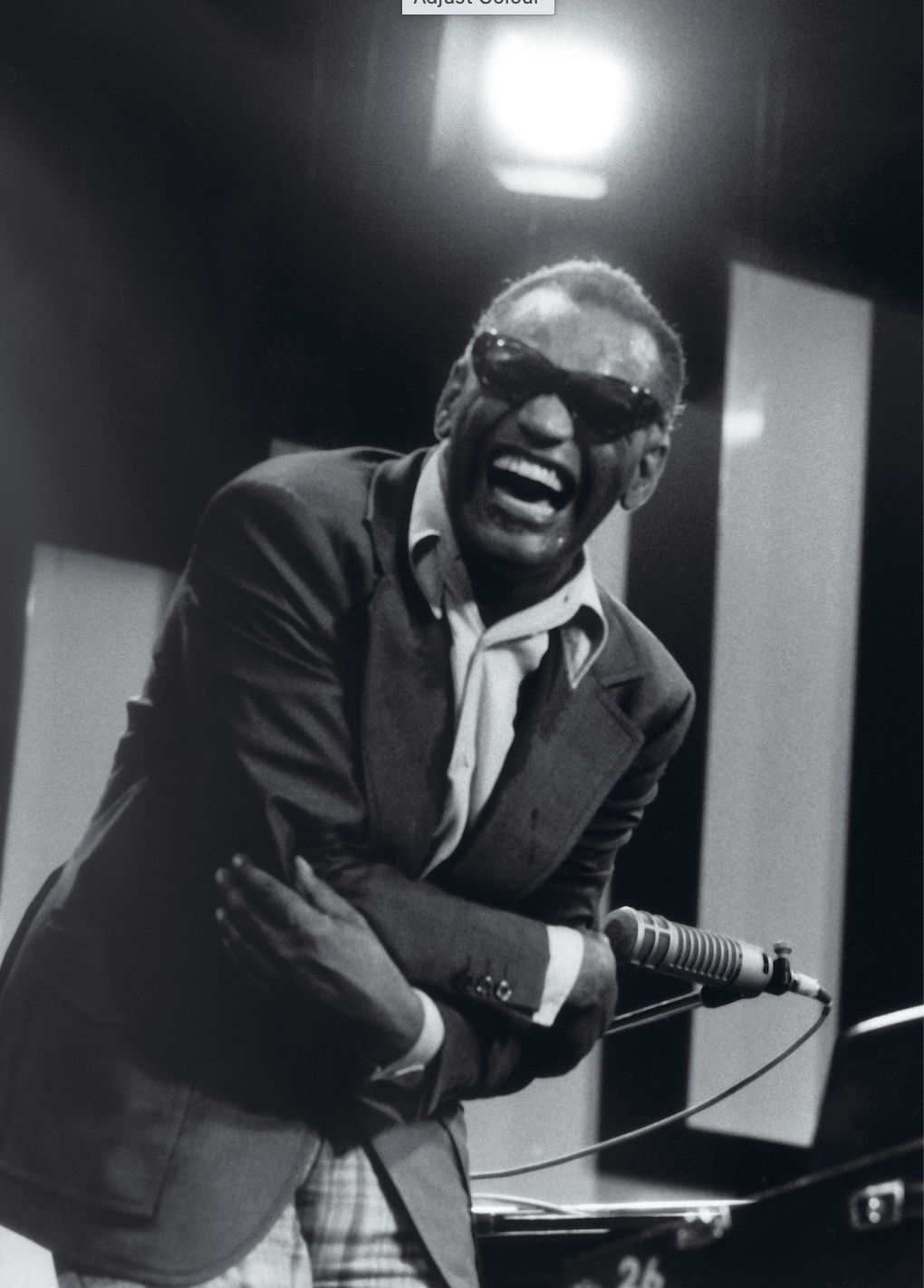
He waits patiently until the artist disappears into the music, until the audience no longer exists and only the performance remains. His goal is never simply to photograph someone per-forming, but to capture the exact instant when music becomes visible.
“I listen with my eyes and photograph with my ears.”
In a single sentence, Georges Braunschweig captures the philosophy that has guided his entire career.
Before every concert, he studies the venue. He observes where the instruments are placed, anticipates where the solo will happen, understands the rhythm of the performance, and positions himself accordingly. Experience has taught him that great photographs are rarely accidental. They are anticipated.
Over the decades, this quiet patience earned him something far more valuable than access.
It earned trust.
Artists such as Charles Lloyd, Sonny Rollins, and Quincy Jones welcomed him backstage, invited him to rehearsals, and recognized him not merely as another photographer, but as someone who genuinely respected their craft. While many photographers rushed in for the mandatory three songs before leaving, Georges stayed.
He listened. He observed. He waited.
That patience is visible in every image.
Looking through his archive, it becomes clear these are far more than concert photographs. They are studies of humanity. A smile exchanged between musicians. A quiet pause before a note. A hand resting on a piano. The exhaustion that follows a standing ovation. Fleeting moments audiences rarely witness, yet moments that reveal the true soul of live music.
When asked what advice he would give the next generation of photographers, Georges surprises us once again.
He doesn’t talk about cameras.
He doesn’t talk about equipment.
He talks about curiosity.
A photographer, he believes, should read books, visit museums, watch theatre, travel, discover architecture, listen to every style of music, and remain endlessly fascinated by people.
“Open your eyes. Be curious. Learn to observe.”
It is advice that feels increasingly relevant in a world dominated by speed and algorithms.

Despite his extraordinary career, Georges has no intention of slowing down. Every summer he still returns to Montreux with the same excitement he felt more than fifty years ago. He continues photographing concerts, collaborating on album artwork, pre-serving the festival’s archives, and preparing what he hopes will become his next book, a personal collection of the images that have touched him most deeply, regardless of fame or celebrity.
Listening to Georges Braunschweig, one quickly understands that photography has never been a profession.
It has been a way of listening.
A way of preserving emotion.
A way of giving music a second life long after the final note has faded.
His exhibition at the Beau-Rivage Palace Lausanne is far more than a retrospective. It is an invitation to experience six decades of musical history through the eyes of the man who quietly preserved its most human moments.
Because while concerts eventually end, great photographs continue to play forever.
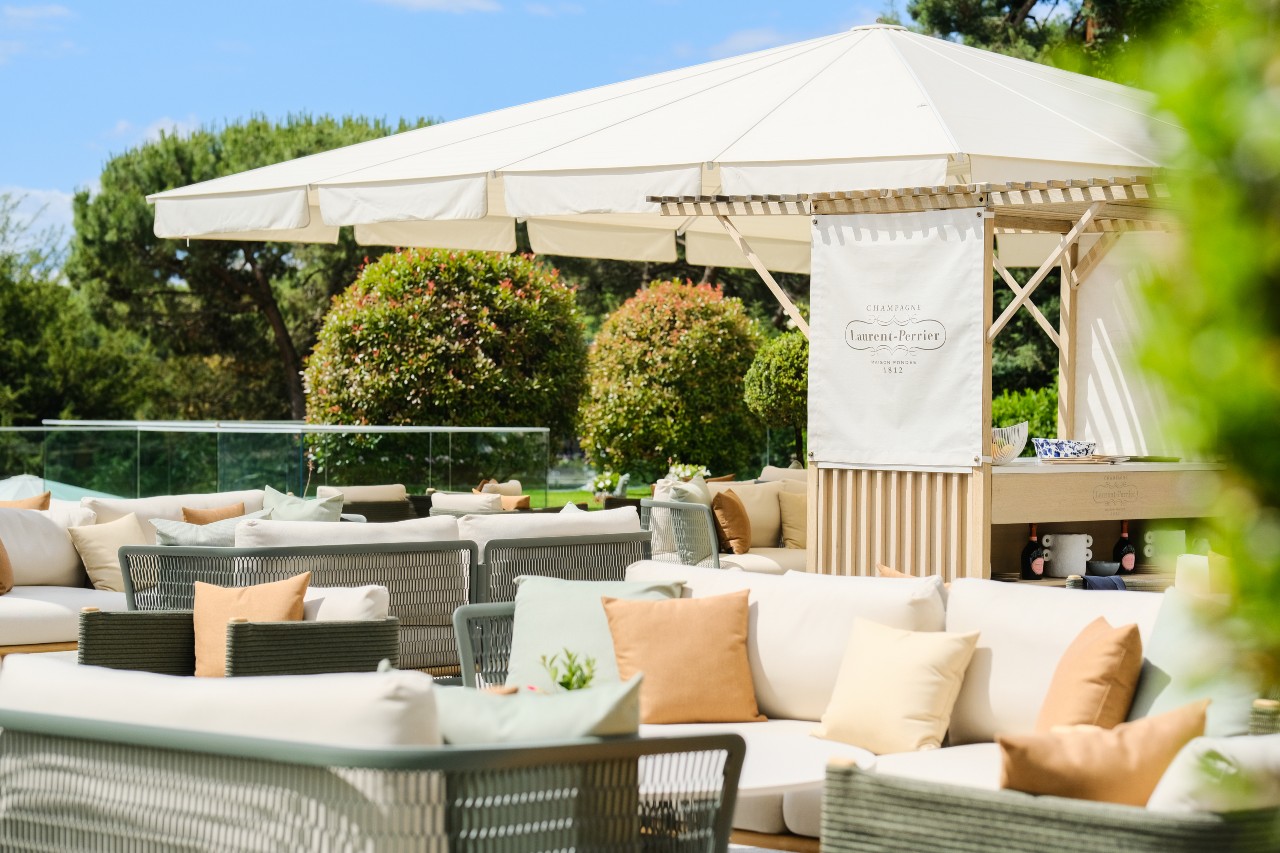
The story, however, doesn’t end on these pages. It continues at the Lobby Lounge of the Beau-Rivage Palace Lausanne, where visitors can discover Georges Braunschweig’s exhibition until the end of August. Displayed within the elegant Lobby Lounge, the exhibition opens onto views of the hotel’s beautiful terrace and gardens overlooking Lake Geneva, creating a fitting backdrop for both the photographs and the extraordinary scenery beyond.
Whether you are passionate about jazz, photography, or simply looking for an inspiring place to spend an afternoon, it is well worth making a stop. Take time to admire these extraordinary photographs, then enjoy a coffee, lunch, or afternoon tea while soaking in one of Lausanne’s most spectacular lakeside views. It is a rare opportunity to experience the work of one of music’s greatest visual storytellers while discovering one of the city’s most iconic destinations.

Georges Braunschweig
Website:
www.georgesbraunschweig.com
Instagram: @georgesbraunschweig
Beau-Rivage Palace, Lausanne
Website:
www.beaurivagepalace.com
Instagram: @beaurivagepalace