
WRITTEN BY DAVID SERKIN
In the spirit of kaizen, the Japanese philosophy of continuous improvement, the Better Cotton Initiative (BCI) embodies that same pursuit of progress. Since its founding two decades ago, BCI has evolved into the world’s largest cotton sustainability program, transforming how cotton is grown, traded, and valued.
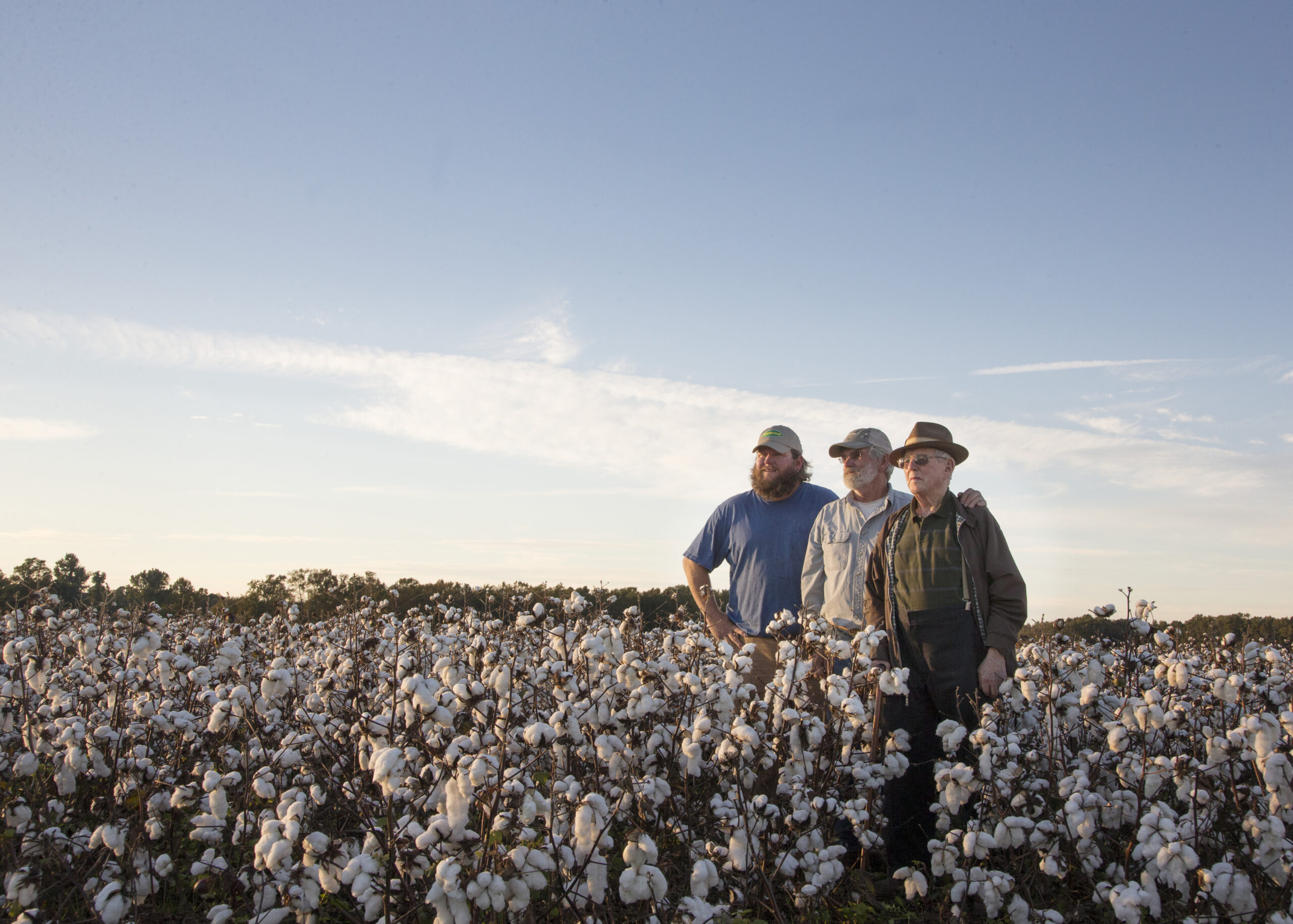
Photo Credit: BCI/Zeb Winslow.Location: North Carolina, USA. 2017..Description: Three generations of Winslows. BCI Farmer Zeb Winslow (far left) with his father and grandfather.
Founded in 2005 out of a WWF-led roundtable on sustainability, the Better Cotton Initiative is a non-profit operating in 15 countries, supporting more than 1.39 million licensed farmers who collectively produce 23% of the world’s cotton production.
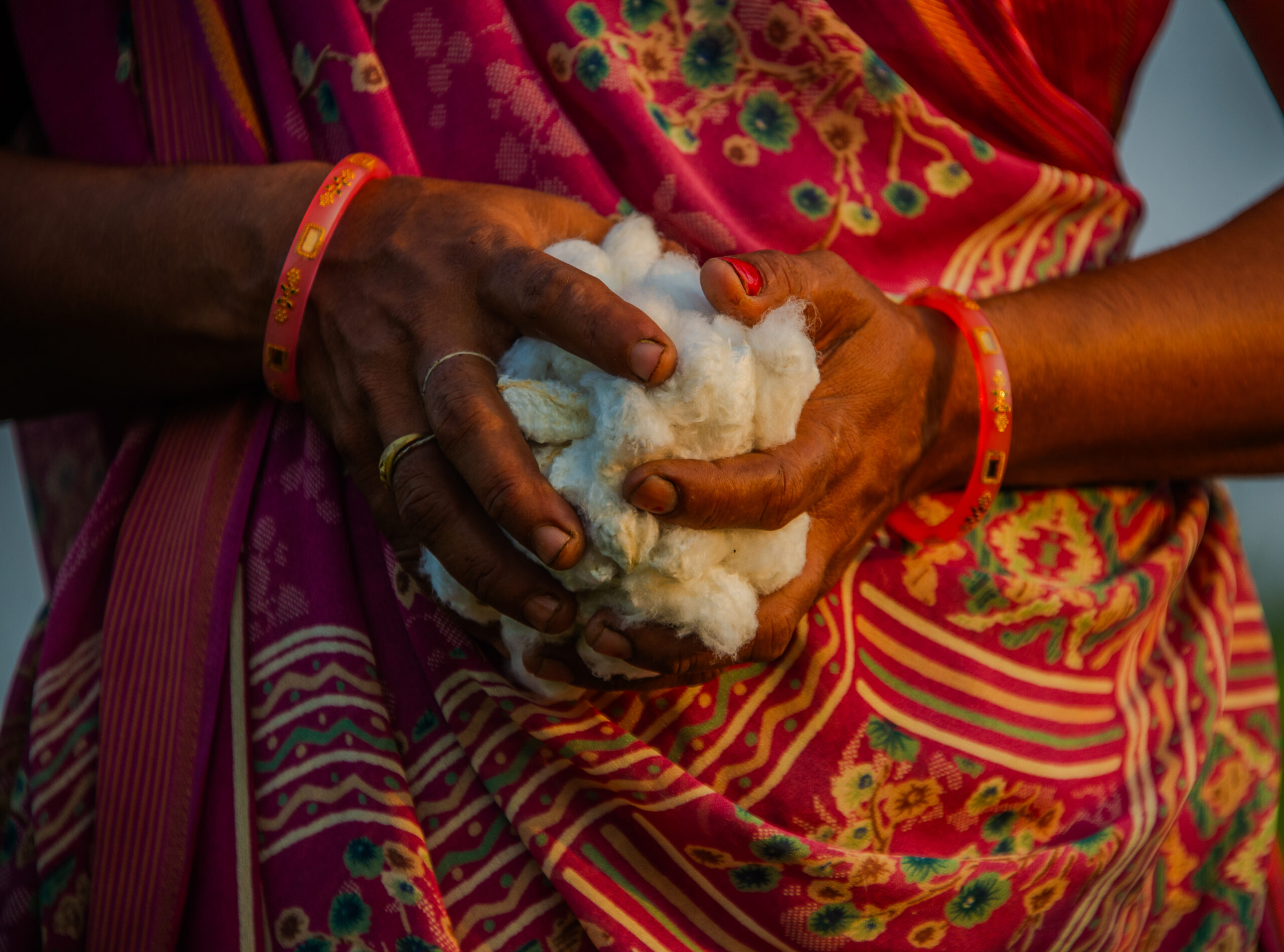
Better Cotton/Joe Woodruff. Description: Wife of Better Cotton Farmer Rasikbhai on their farm in Gujarat, India
According to Eva Benavidez Clayton, Senior Director of Demand & Engagement:
“It has been six years since the first World Cotton Day, which is celebrated every 7 October. The event wasn’t created by clothing brands or fashion enthusiasts. It was brought to life by the World Trade Organization upon the request of four African cotton-producing nations – Benin, Burkina Faso, Chad, and Mali – to recognize and celebrate their work. World Cotton Day started with farmers.”
From smallholder farmers cultivating just 20 hectares to large-scale producers, the Initiative promotes improved soil health, more efficient water use, and reduced greenhouse gas emissions, while advancing gender equality and safer working conditions. Through BCI’s internal Growth and Innovation Fund (GIF), more than 1.6 million farmers have been trained in sustainable and regenerative practices, reaching nearly four million lives connected to cotton production worldwide.
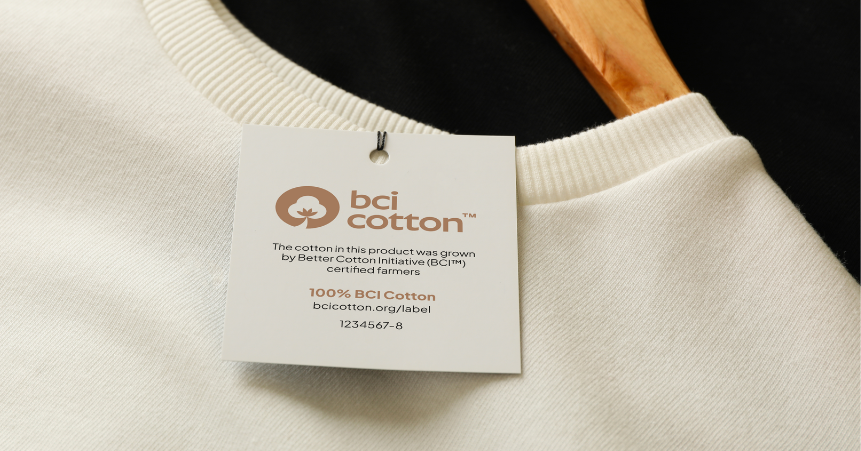
This year marks an important milestone for BCI. On World Cotton Day, BCI launched its new label with third-party verification guaranteeing that garments featuring the label are made with 100% traceable BCI Cotton and represent at least 30% of a product’s total fiber content. Retailers, brands, and consumers can be assured that the BCI Cotton label guarantees the content and traceability of its cotton, down the supply chain to the country of origin. The labels will start appearing on garments in retailers in the coming months.
BCI has created a comprehensive system of traceability, verification, and collaboration. Retailers and brands that participate in the BCI system pay a membership fee and a volume-based fee that goes directly toward supporting farmers in the field, with a focus on smaller farms. Today, BCI counts more than 2,500 member organizations, including 290 global retailers and brands. Among them are some very recognizable names: adidas, H&M, IKEA, Gap, Marks & Spencer, Walmart, and WWF. They sourced over 2.5 million metric tons of Better Cotton in the 2023/2024 growing season.
“From trade tensions to extreme weather, the challenges facing the cotton industry have never been greater,” explains Eva Benavidez Clayton. “The Cotton 2040 initiative, supported by BCI, projects that by 2040 nearly half of the world’s cotton-growing regions will face high exposure to at least one major climate hazard such as droughts, floods, or heatwaves.”
In response, BCI has embraced regenerative agriculture as the foundation of its evolving standard. This approach focuses on revitalizing soils, increasing biodiversity, and replenishing natural ecosystems. Healthy soil, like healthy communities, captures carbon and nurtures resilience—a vital step in mitigating the effects of climate change.
“The launch of our new product label is a testament to that optimism. To many, it may just look like a piece of paper breaking down an item’s composition, but look closely and you’ll see that it represents much more. The label is the result of our recently implemented certification scheme—independent third parties verifying the conditions in which the cotton was grown—and our traceability solution, which informs companies about the origin of the BCI Cotton they source.”
From the general public, through publications like Kai Zen Magazine, we can inform and inspire conscious buyers to reward retailers and brands with our loyalty. I, for one, will choose to buy from those companies that prioritize sustainability, reduce pollution in our communities, and protect farmers from the overuse of pesticides.
For the conscious consumer, choosing garments made with BCI Cotton is a small but meaningful act of alignment—supporting farmers, protecting ecosystems, and investing in a cleaner planet.
Images courtesy of BCI
Website: www.bettercotton.org