By David Serkin
In professional tennis, everything is measured. Rankings, points, seconds, results. But speaking with Timea Bacsinszky, you quickly understand that time is not just something to manage. It is something to learn.
Her story is not only about performance at the highest levels of tennis. It is about how time shapes you, tests you, and eventually teaches you what really matters.
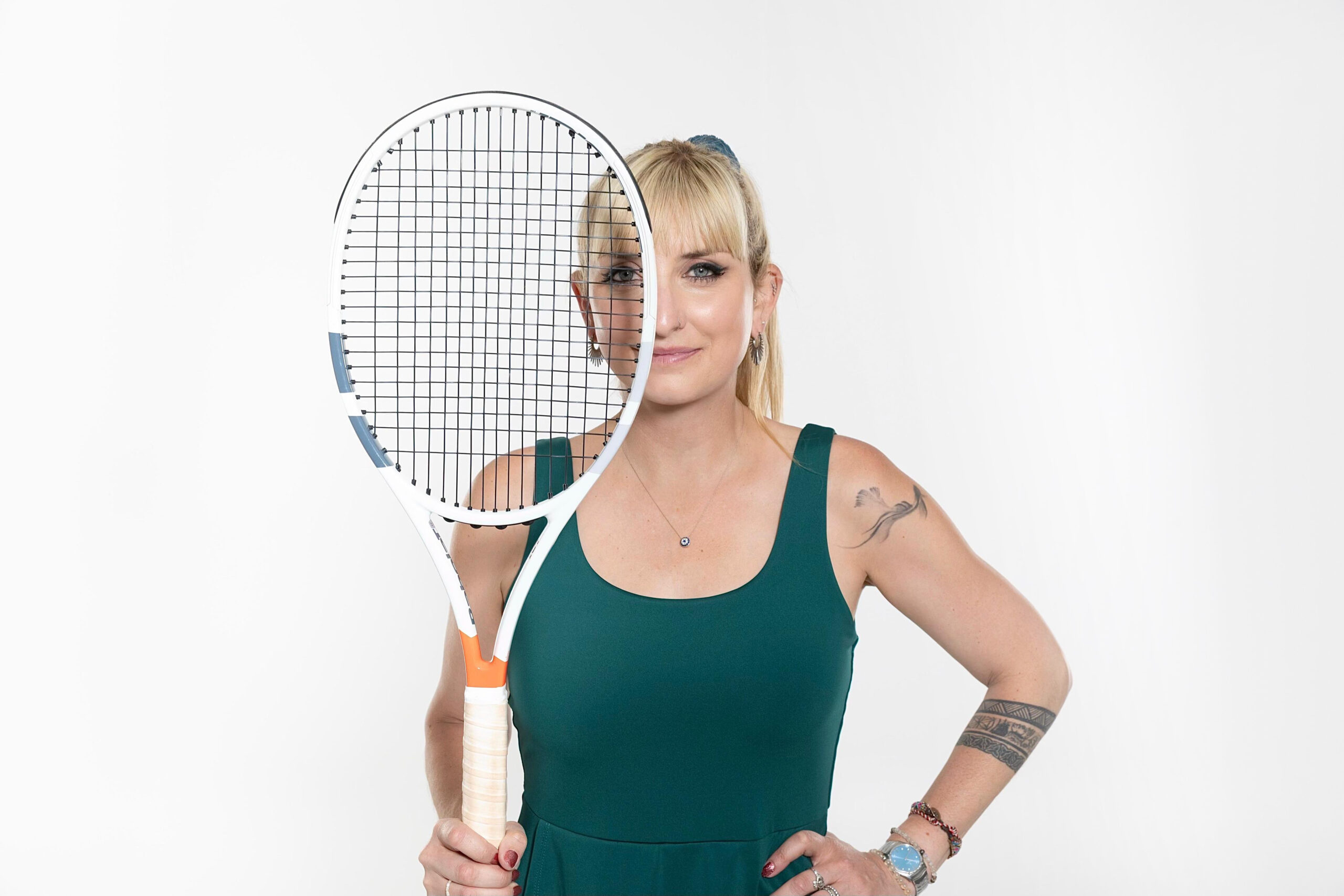
Timea picked up a racquet at age five, not entirely by choice. Her father, a tennis coach, pushed her hard from the very beginning. He structured her days around the game, leaving little room for anything else. She was talented, and the results came quickly. She won the prestigious Les Petits As tournament twice, at twelve and thirteen, a feat only Martina Hingishad achieved before her. She turned professional at fourteen, a young teenager stepping into a world where everything moved fast and success was expected immediately.
But beneath the results, something more complicated was taking shape. Tennis had never really been her choice, it had been her father’s. That distinction would take years to fully surface.
“My coach at the time thought I should seek some counseling, to allow myself to separate my tennis from my father,” she says. “Because my dad was my coach when I was a kid, I didn’t have a choice to play or not to play. Was it for me, or because I was good at it and people expected it?” she reflects.
That question changed everything.
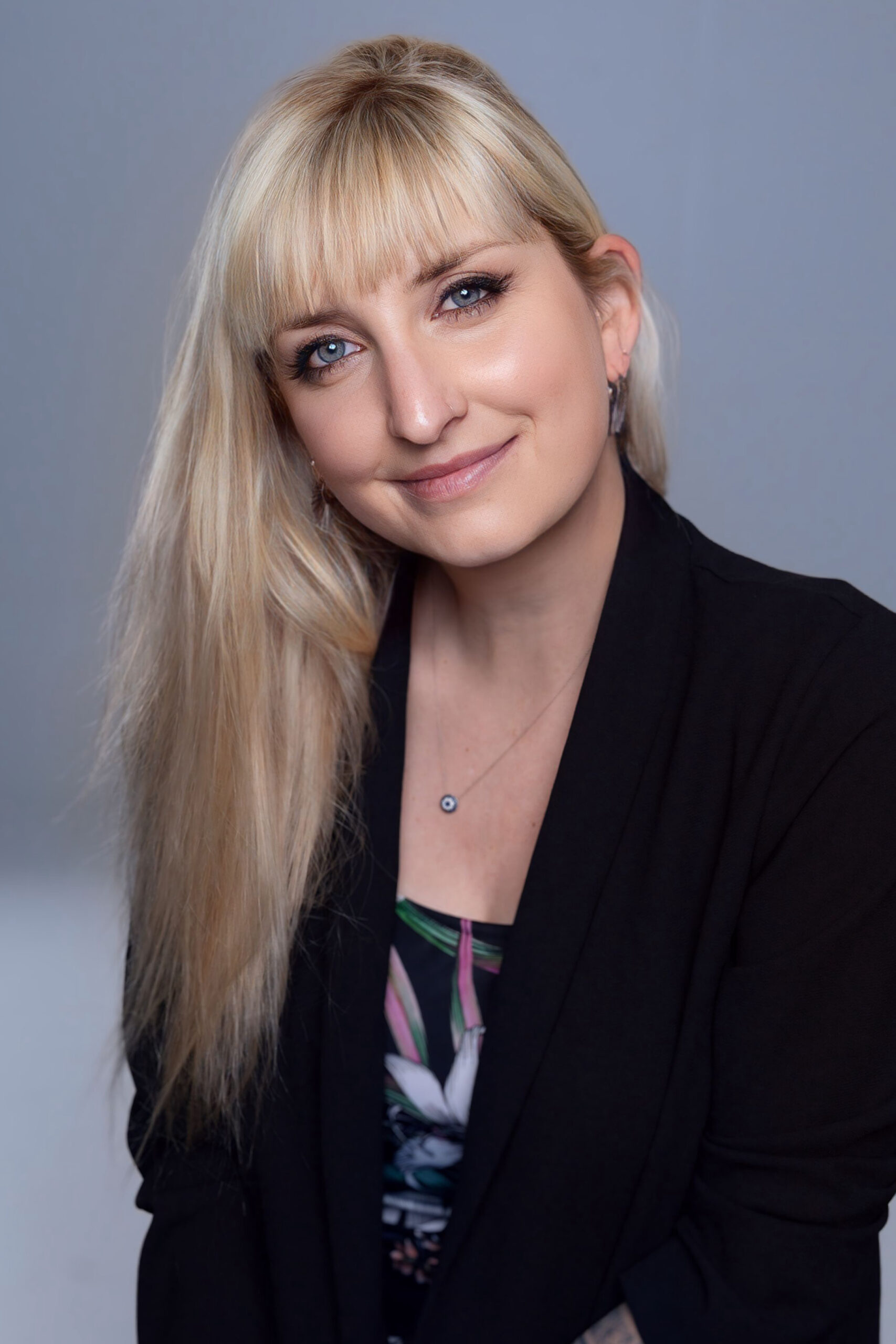
She won her first WTA title in Luxembourg in 2009 and climbed to world number 37 in 2010. Then, in the spring of 2011, a serious foot injury stopped her in her tracks. The surgery that followed should have been straightforward. But something did not feel right once the stitches came out. She could feel that something was wrong in her foot. After a scan, and to everyone’s shock, a piece of metal had been left behind.
“You realize what you can control and what you cannot,” she says, speaking about it with perspective rather than frustration. “Humans are not perfect. Even doctors can make mistakes.”
The injury, combined with the weight of everything surrounding her relationship with the game, pushed her toward a decision. She stepped away from the tour after a burnout and injuries. She started an internship at a hotel with her eye on a possible entry into hotel management school. For the first time, her days were her own.
It was during this period, one morning over breakfast before opening the bar for her shift, that an email arrived from the French Open. Several players had withdrawn from qualifying, and her ranking was still good enough to enter. She called her mother to share the news. Her mother told her she would make a fool of herself, that she had not trained, that she was not ready. But something was calling Timea. She loaded her car and drove the five hours from Lausanne to Paris on her own.

“Those five hours were great,” she has said. “All the excitement. It was like playing Roland Garros for the first time.”
She lost in qualifying. But something had shifted. Having dealt with the shadow of her father through work with a therapist, she now felt that she could come back to professional tennis. She decided to make a full return to the tour.
“I love the strategy. I love the challenge,” she says. “But I had to make it on my terms.”
What followed was one of the most unlikely comebacks in women’s tennis. In just two years, she climbed from outside the top 200 back into the world’s elite. She won titles in Acapulco and Monterrey, defeating Caroline Garcia in both finals. She posted wins against Petra Kvitová, Madison Keys, and Ana Ivanovic. In October 2015, she cracked the top 10 in the world, reaching a career high of number nine, the first Swiss woman since Martina Hingis.
That same year came the match she is perhaps most associated with, a French Open semi-final against Serena Williams. She won the first set and went a break up early in the third set before Serena turned it around and closed the door on a potential title run. It was 2015, the year Stan Wawrinka also claimed the men’s title over Novak Djokovic.
Managing that level of expectation while staying present point by point required exactly the kind of mental discipline she speaks about, the ability to stay grounded in the moment. “You learn a bit every time you play,” she says. “You never really lose, you learn.”
Staying present is harder than it sounds. Learning to stay in the moment is not instinct, she says, it is practice.
She reached a second Roland Garros semi-final in 2017, beating Venus Williams along the way before losing to the eventual champion Jeļena Ostapenko. But through that run she was quietly dealing with what would turn out to be a debilitating cyst on her right hand that caused her severe pain. Once again, her own medical team at first told her it was all in her head. It was not. The injury, along with recurring back problems, gradually brought her final run on tour to a close. She played her last professional match in 2019 and announced her retirement in 2021 at thirty-two.
Today, her relationship with time looks entirely different. Luxury, she says, is no longer about travel or results or anything that looks impressive from the outside.
“Being able to spend time with my family and friends, that is luxury for me now.” After years of constant movement, those quiet moments carry a weight they never had before. “I used to be away so much. Now I don’t want to miss birthdays. I don’t want to miss those moments.”
Sometimes she wishes she had taken more time during her playing years to more deeply experience the places she visited. To stay a little longer. To see more beyond the schedule.
What stays after this conversation is not a single defining moment, but a feeling. Time is not something to fill or chase. It is something to live with awareness. And perhaps that is what luxury really is, not having more time but being present in the time you have.
In professional tennis, everything is measured. Rankings, points, seconds, results. But speaking with Timea Bacsinszky, you quickly understand that time is not just something to manage. It is something to learn.
Her story is not only about performance at the highest levels of tennis. It is about how time shapes you, tests you, and eventually teaches you what really matters.
Timea picked up a racquet at age five — not entirely by choice. Her father, a tennis coach, pushed her hard from the very beginning. He structured her days around the game, leaving little room for anything else. She was talented, and the results came quickly. She won the prestigious Les Petits As junior tournament twice, at twelve and thirteen, a feat only Martina Hingis had achieved before her. She turned professional at fourteen, a young teenager stepping into a world where everything moved fast and success was expected immediately.
But beneath the results, something more complicated was taking shape. Tennis had never really been her choice — it had been her father’s. That distinction would take years to fully surface.
“My coach at the time thought I should seek some counseling, to allow myself to separate my tennis from my father,” she says. “Because my dad was my coach when I was a kid, I didn’t have a choice to play or not to play. Was it for me, or because I was good at it and people expected it?” she reflects.
That question changed everything.
She won her first WTA title in Luxembourg in 2009 and climbed to world number 37 in 2010. Then, in the spring of 2011, a serious foot injury stopped her in her tracks. The surgery that followed should have been straightforward. But something didn’t feel right once the stitches came out. She could feel that something was wrong in her foot. After a scan, and to everyone’s shock, a piece of metal had been left behind.
“You realize what you can control and what you cannot,” she says, speaking about it with perspective rather than frustration. “Humans are not perfect. Even doctors can make mistakes.”
The injury, combined with the weight of everything surrounding her relationship with the game, pushed her toward a decision. She stepped away from the tour after a burnout and injuries. She started an Internship at a Hotel with her eye on a possible entry into Hotel Management School. For the first time, her days were her own.
It was during this period, one morning over breakfast before opening the bar for her shift, that an email arrived from the French Open. Several players had withdrawn from qualifying, and her ranking was still good enough to enter. She called her mother to share the news. Her mother told her she would make a fool of herself, that she hadn’t trained, that she wasn’t ready. But something was calling Timea. She loaded her car and drove the five hours from Lausanne to Paris on her own.
“Those five hours were great,” she has said. “All the excitement. It was like playing Roland Garros for the first time.”
She lost in qualifying. But something had shifted. Having dealt with the shadow of her father through work with a therapist, she now felt that she could come back to pro tennis. She decided to make a full return to the tour.
“I love the strategy. I love the challenge,” she says. “But I had to make it on my terms.”
What followed was one of the most unlikely comebacks in women’s tennis. In just two years, she climbed from outside the top 200 back into the world’s elite. She won titles in Acapulco and Monterrey, defeating Caroline Garcia in both finals. She posted wins against Petra Kvitova, Madison Keys, and Anna Ivanovic. In October 2015, she cracked the top 10 in the world, reaching a career high of number nine —the first Swiss woman since Martina Hingis.
That same year came the match she is perhaps most associated with — a French Open semi-final against Serena Williams. She won the first set and went a break up early in the third set before Serena turned it around and closed the door on a potential title run. It was 2015, the year Stan Wawrinka also claimed the men’s title over Novak Djokovic.
Managing that level of expectation while staying present point by point, required exactly the kind of mental discipline she speaks about — the ability to stay grounded in the moment. “You learn a bit every time you play,” she says. “You never really lose, you learn.”
Staying present is harder than it sounds. Learning to stay in the moment is not instinct she says, it is practice.
She reached a second Roland Garros semi-final in 2017, beating Venus Williams along the way before losing to the eventual champion Jelena Ostapenko. But through that run she was quietly dealing with what would turn out to be a debilitating cyst on her right hand that caused her severe pain. Once again her own medical team, at first, told her was all in her head. It wasn’t. The injury, along with recurring back problems, gradually brought her final run on tour to a close. She played her last professional match in 2019 and announced her retirement in 2021 at thirty-two.
Today, her relationship with time looks entirely different. Luxury, she says, is no longer about travel or results or anything that looks impressive from the outside.
“Being able to spend time with my family and friends — that is luxury for me now.” After years of constant movement, those quiet moments carry a weight they never had before: “I used to be away so much. Now I don’t want to miss birthdays. I don’t want to miss those moments.”
Sometimes she wishes she had taken more time during her playing years to more deeply experience the places she visited. To stay a little longer. To see more beyond the schedule.
What stays after this conversation is not a single defining moment, but a feeling. Time is not something to fill or chase. It is something to live with awareness. And perhaps that is what luxury really is — not having more time but being present in the time you have.