written by SEYDA GöÇMEN
In winter light, the world reveals its geometry. A ridgeline becomes calligraphy against the sky; a shell holds the memory of a perfect spiral; a stone carries centuries of wind and water within its quiet form. Meeting Verda Alaton in Geneva, founder of TOHUM, makes one thing immediately clear: this is not poetic abstraction. It is the foundation of her design language.
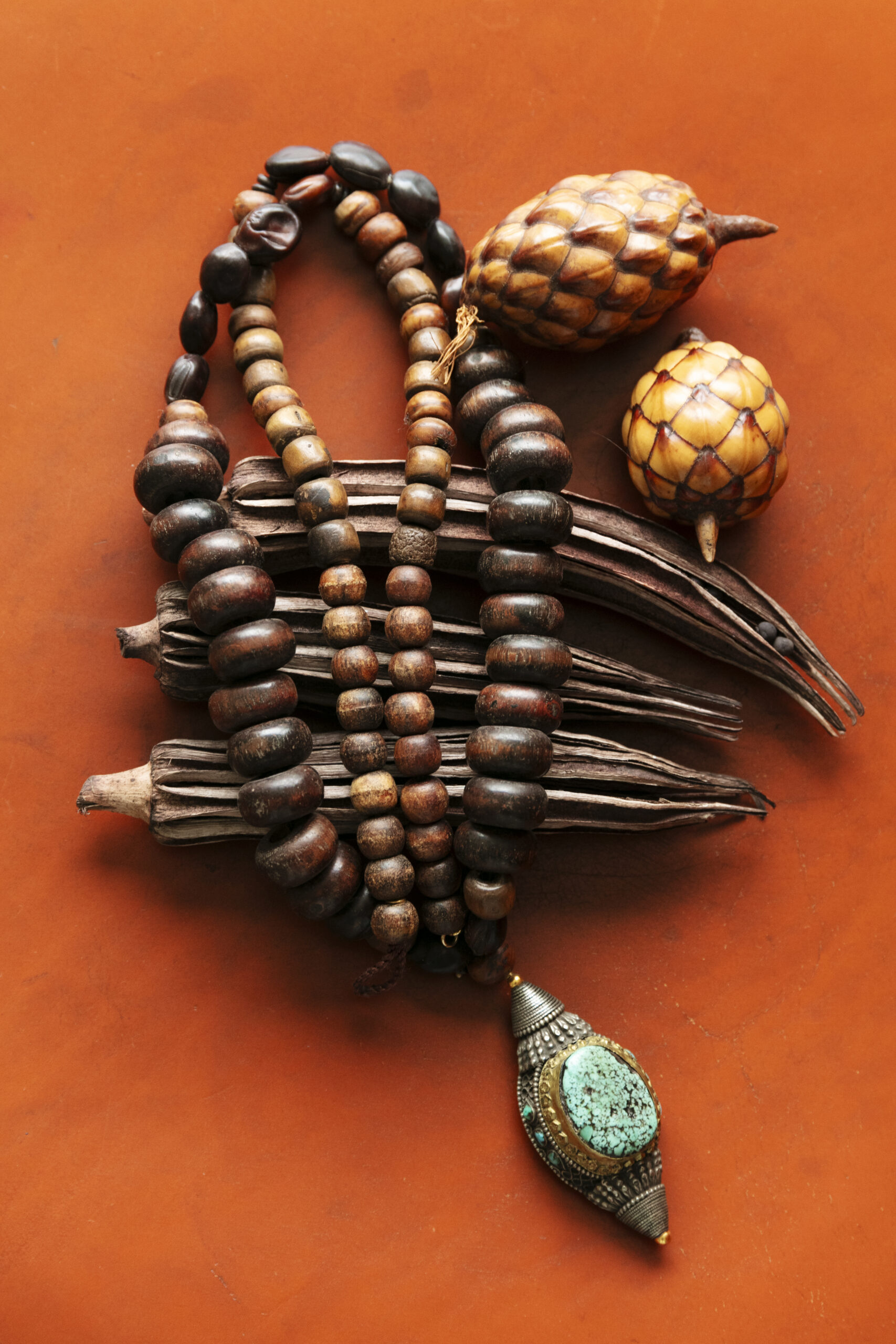
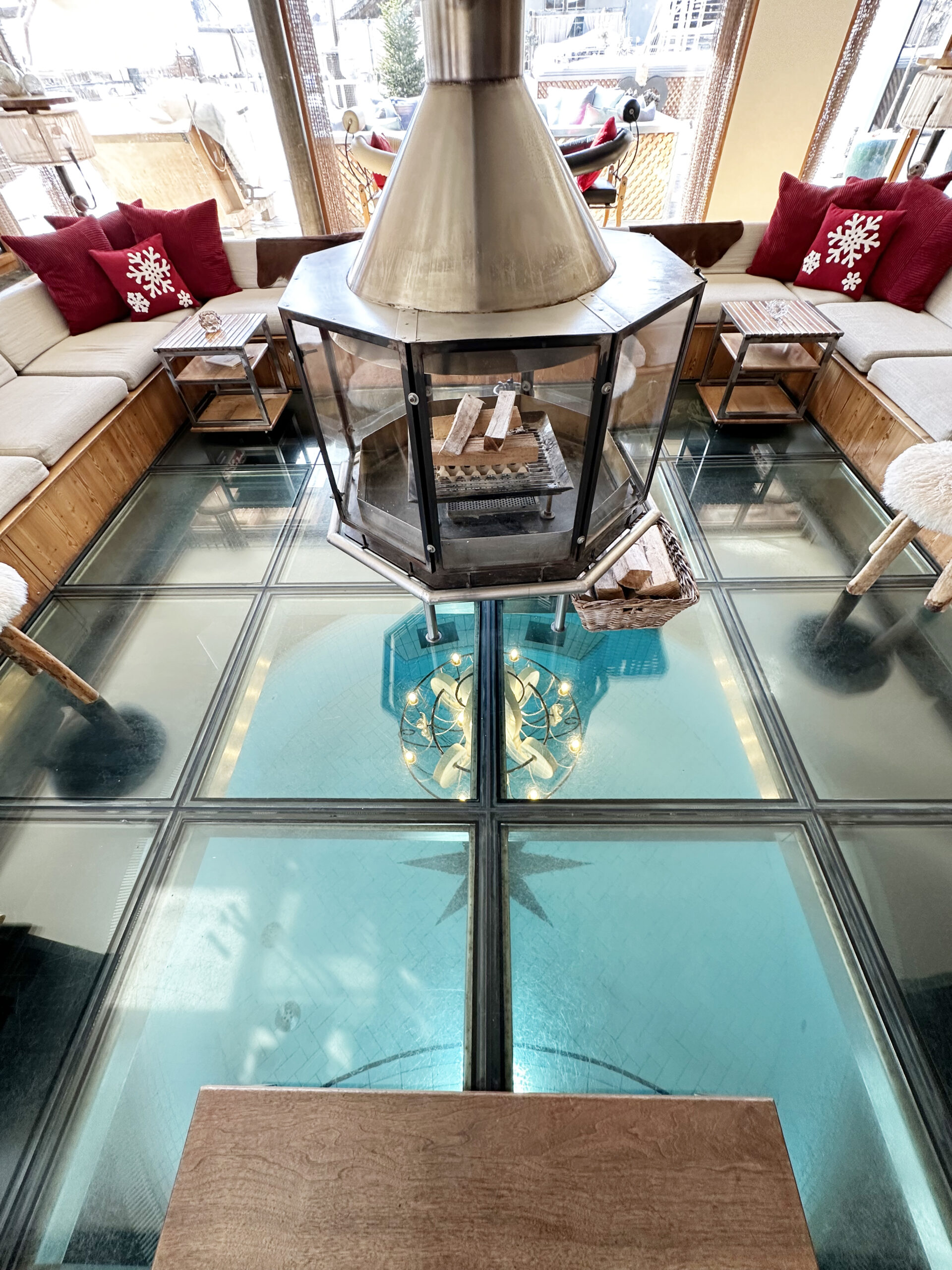
Within Kaizen’s Winter 2026 theme Human × Nature, TOHUM feels instinctively aligned, a jewellery house built on the belief that adornment can be an act of reconnection rather than decoration. Verda welcomed us into her home for our conversation. The space reflected her philosophy: light-filled and calm, surrounded by plants and meaningful objects gathered over years of travel across Africa, the Middle East, and Asia. Authenticity here is not a styling choice; it should be lived.
What stands out most is Verda’s openness to cultures far removed from her own. Her curiosity is grounded in genuine respect. Her parents were exceptionally open-minded and encouraged her to explore the world from an early age. They sent her to study in Montreux, Switzerland, where she found herself immersed in an international environment, surrounded by students from across continents. Those formative years shaped her worldview profoundly. She learned how to move between cultures with ease, how to observe and listen deeply, and how to build bridges rather than boundaries. This sensitivity permeates throughout TOHUM, visible not only in the materials but in the attitude.
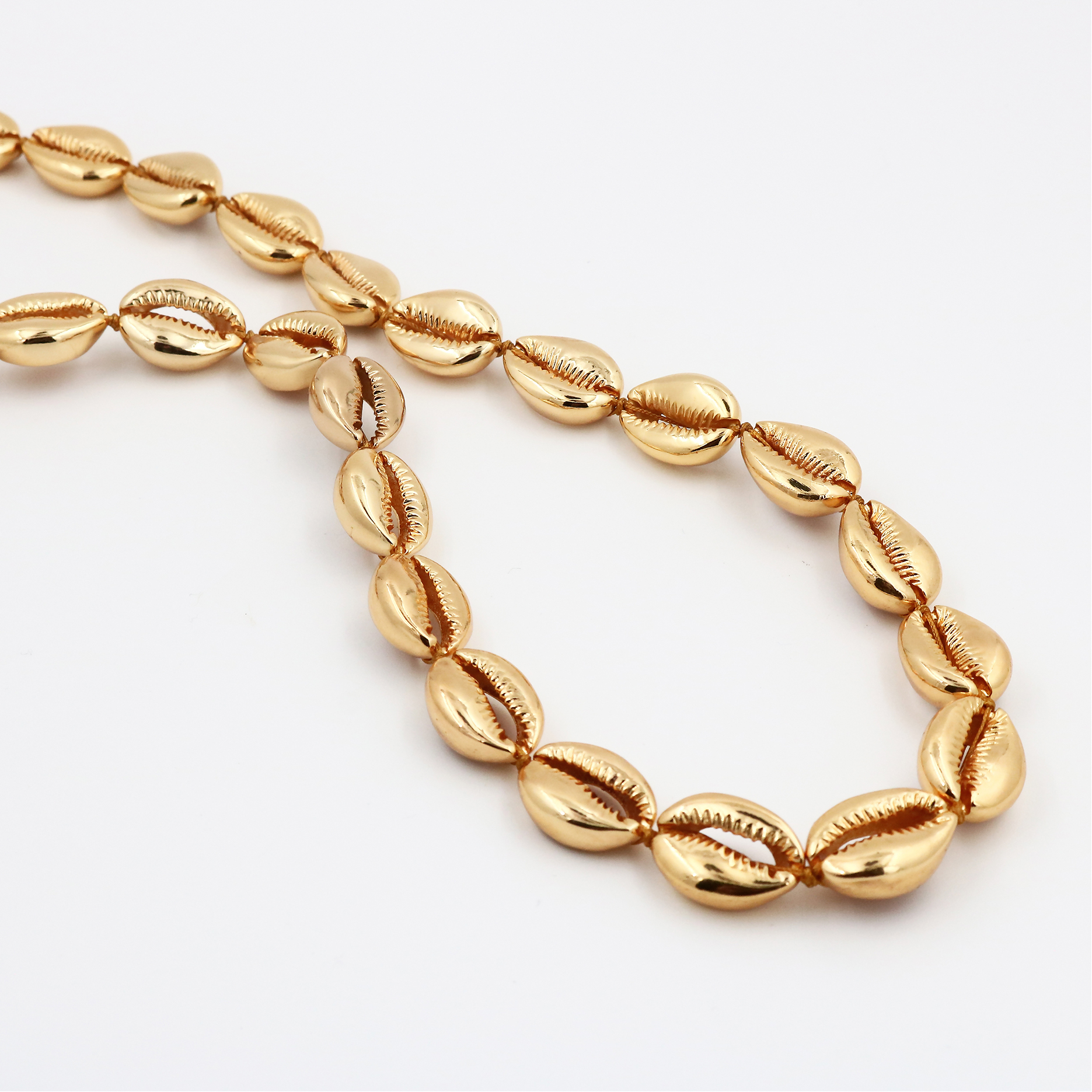
The origins of TOHUM began long before the brand had a name. Since childhood, Verda felt an instinctive pull toward nature’s pure shapes. She collected shells, stones, and fragments formed by time and the elements, without ever intending to turn them into jewellery. A decisive moment arrived in Timbuktu, Mali. In vast sand landscapes marked by simplicity and silence, she felt a profound sense of belonging. That experience crystallized her desire to translate raw beauty into wearable form. Shortly after, TOHUM was born, and its name evolved into a quiet mantra: To Be Human.
Living between Istanbul and the Swiss Alps shaped the brand’s dual identity. Istanbul offered emotional depth and cultural complexity. Switzerland nurtured stillness and clarity. Between these two worlds, her artistic language matured. TOHUM carries both energies: soulful yet minimal, sculptural yet serene.

At the heart of the brand lies a simple philosophy: true beauty comes from nature’s simplicity. Shells, crystals, and stones arrive already composed by elemental forces. Their asymmetry is not corrected, but honored. “Raw materials speak honestly,” Verda explains. “When someone wears a natural material, they carry its journey and energy.” Jewellery becomes a tactile bridge between the body and the earth.
Her creative process begins with intuition. She touches a material and senses its potential. From there, long-standing collaborations with artisans transform vision into form through traditional, hand-made techniques. Each piece is shaped slowly, then allowed to rest, letting its energy settle before becoming part of someone’s life. Craftsmanship, for Verda, is not simply technique. It is heritage, continuity, and respect.

Sustainability within TOHUM is structural rather than decorative. Mindful sourcing, limited waste, and long-lasting design form its foundation. Designers, she believes, hold a responsibility to inspire awareness and encourage fewer, more meaningful acquisitions. Timeless design is born from authenticity, not trends. Fast fashion seeks attention; enduring pieces seek connection.
Beyond material responsibility, TOHUM also carries a social commitment. Thirty percent of the net profit from the Cuore Collection is donated to the Haller Foundation, supporting sustainable farming and environmental restoration projects in Africa. The gesture reflects Verda’s belief that luxury must give back to the ecosystems and communities that inspire it.
The TOHUM woman is confident, grounded, and free-spirited. She chooses pieces that resonate with her inner rhythm rather than external trends. Many designs feel like modern talismans, yet symbolism is never imposed. It arises naturally from shells, stones, and organic forms that have carried meaning across cultures for centuries.
There is also something innate in Verda’s design sensibility, something that feels both inherited and earned. She speaks with quiet reverence of her uncle, Kalef Alaton, who was inducted into the Interior Design Hall of Fame. Like him, Verda has an instinct for bridging worlds: the antique with the modern, the personal with the universal, the raw with the refined. Kalef was known for incorporating antique elements into contemporary interiors and drawing inspiration from clients to create spaces that served real lives, not just aesthetics.
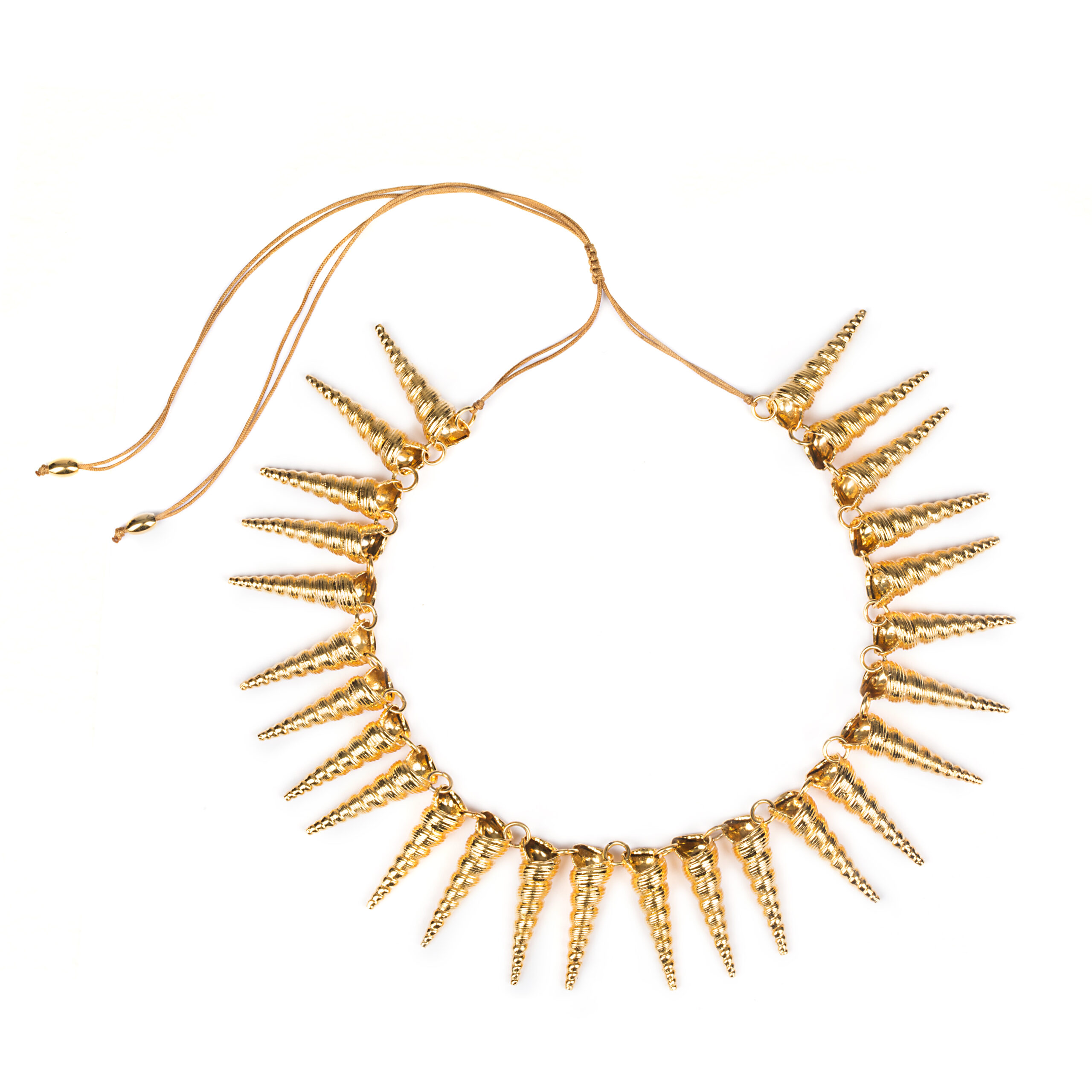
In a parallel way, Verda creates jewellery that responds to human needs: grounding, protection, identity, calm.
I left feeling enriched and inspired by the generosity with which she shared her journey, philosophy, and vision. Her passion for art and history comes through naturally, and TOHUM emerges not only as a brand, but as a quiet reminder of what it means to be human, connected, and present.
Where to shop TOHUM
- Online store: www.tohumdesign.com
- NET-A-PORTER (including Switzerland)
- Mytheresa (Switzerland)
- Bergdorf Goodman (USA)
Images courtesy of Tohum Design
Website: www.tohumdesign.com
Instagram: @tohumdesign