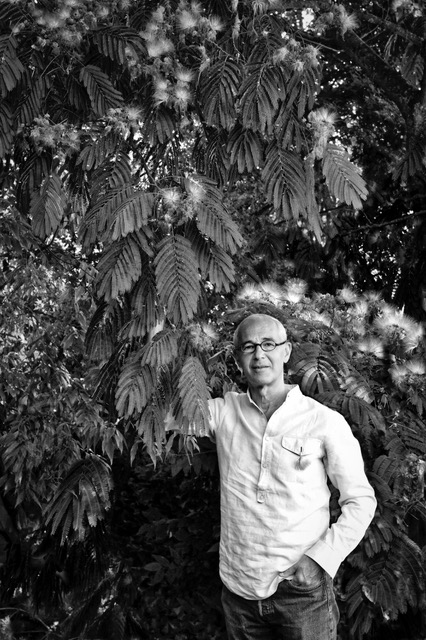
Abna Ashanti
When intense back pain left me nearly immobilized, I turned to Gangwon Oriental Clinic in Seoul without any prior experience with acupuncture or traditional Korean medicine. I had no expectations, only hope. From the moment I entered the clinic, I felt a profound sense of calm. The warm welcome, the gentle energy of the space, and the attentive care all signaled that I was in capable hands.
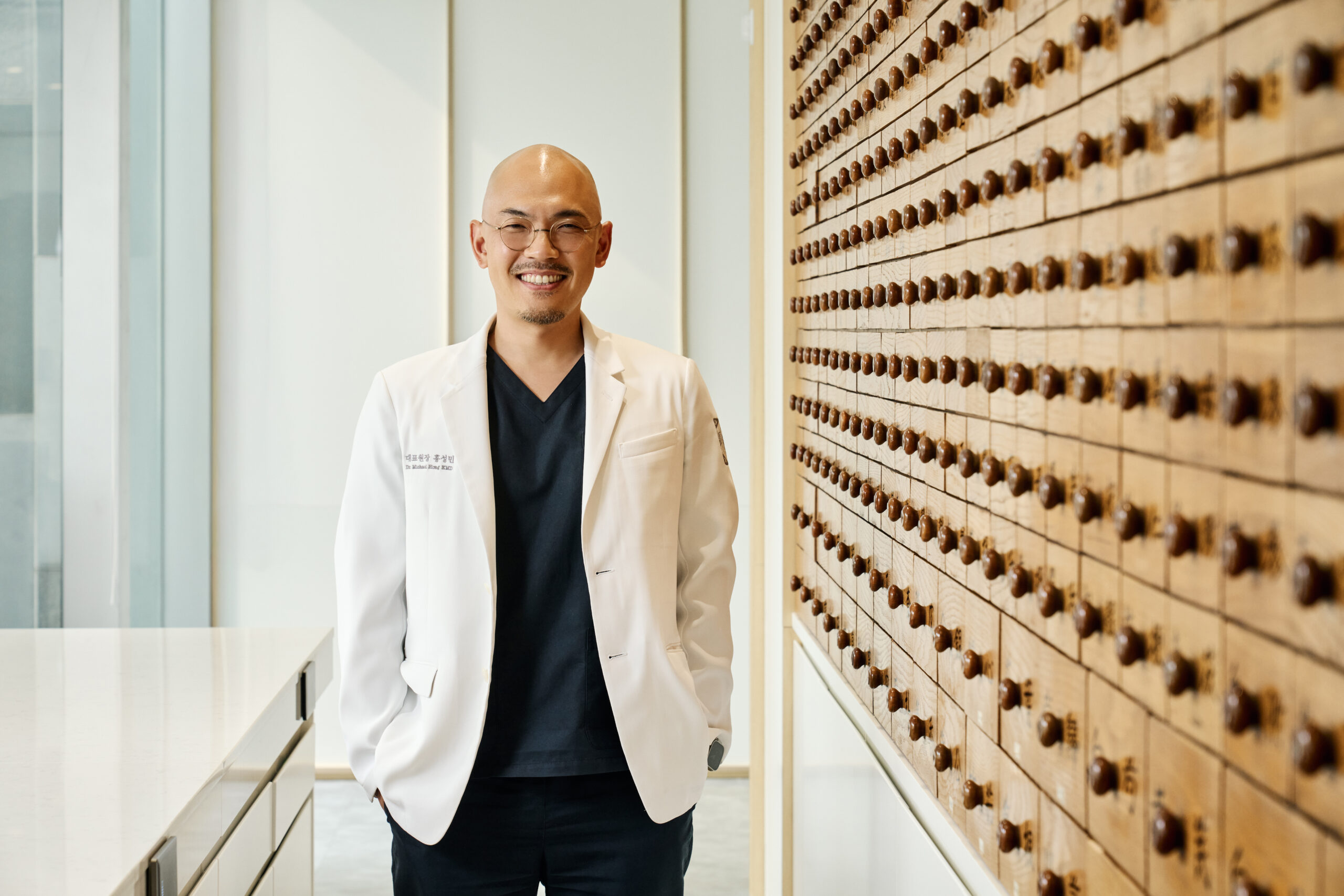
The clinic, founded in 1949 by Dr. Hong’s grandfather, has remained a family-run institution for three generations. Today, Dr. Hong continues this legacy with deep reverence for both tradition and innovation. His journey to traditional medicine was far from conventional. Born in the United States, Dr. Hong spent his early school years in South Korea attending international schools before returning to the U.S. for high school and university.
His academic path initially led him to pursue a degree in biochemical engineering, with interests in pharmaceutical research and drug delivery systems. However, a deeper calling to explore his cultural roots redirected his career toward traditional Korean medicine. He eventually returned to South Korea to attend medical school and immerse himself in the study of traditional Korean healing practices.
What sets Gangwon apart is its comprehensive, personalized approach to healing. Dr. Hong emphasizes that true healing involves understanding the entire individual rather than addressing symptoms in isolation. His practice focuses on the patient’s environment, habits, and emotional state as interconnected elements of health.
Diagnosis begins with a detailed pulse reading, a diagnostic method that allows Dr. Hong to detect imbalances and identify the root cause of each patient’s condition. Treatment typically combines acupuncture, customized herbal formulas, and nutritional coaching. Remarkably, Dr. Hong’s care extends beyond the clinic walls, he offers one-on-one online nutrition coaching sessions, ensuring continuous support for his patients.
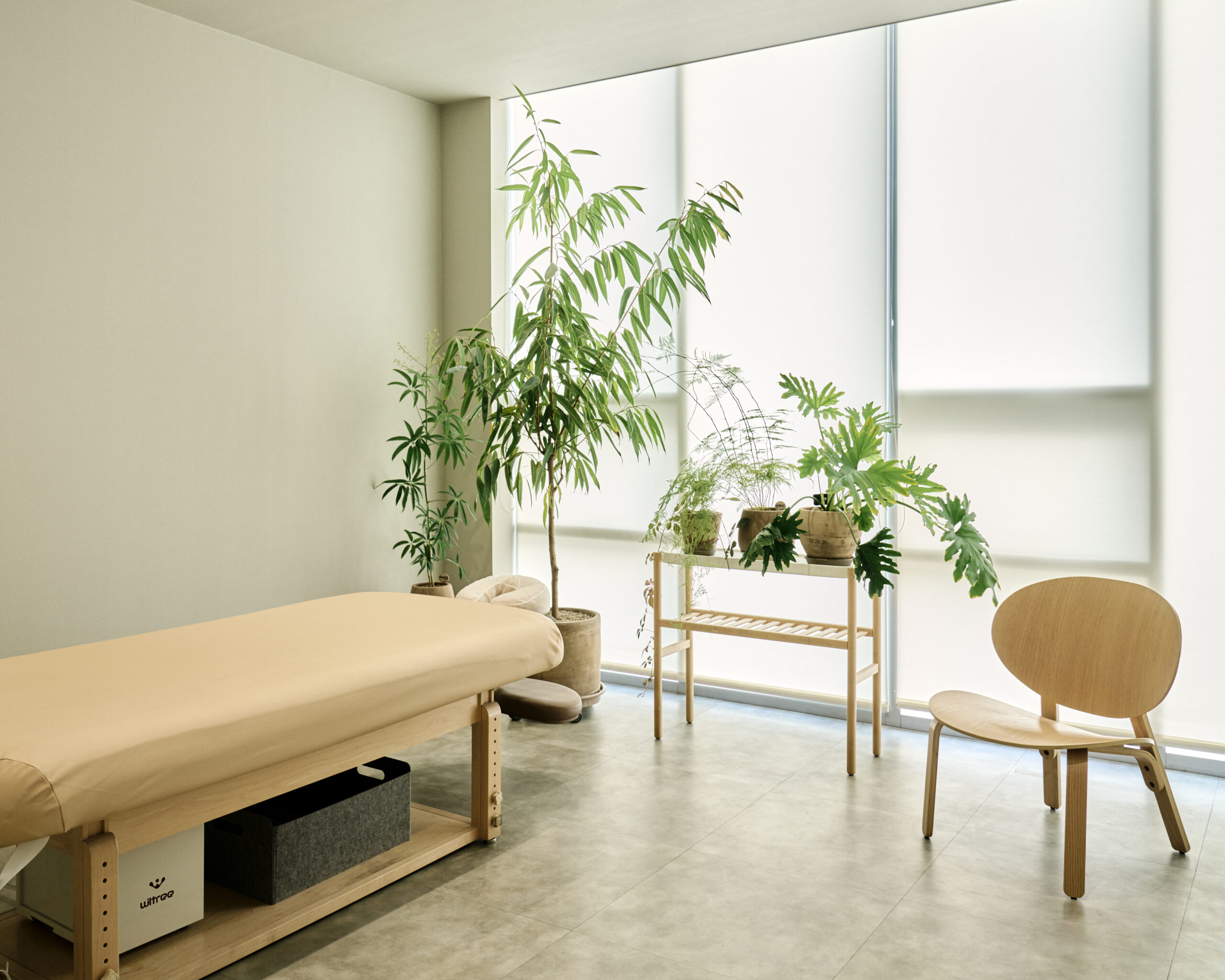
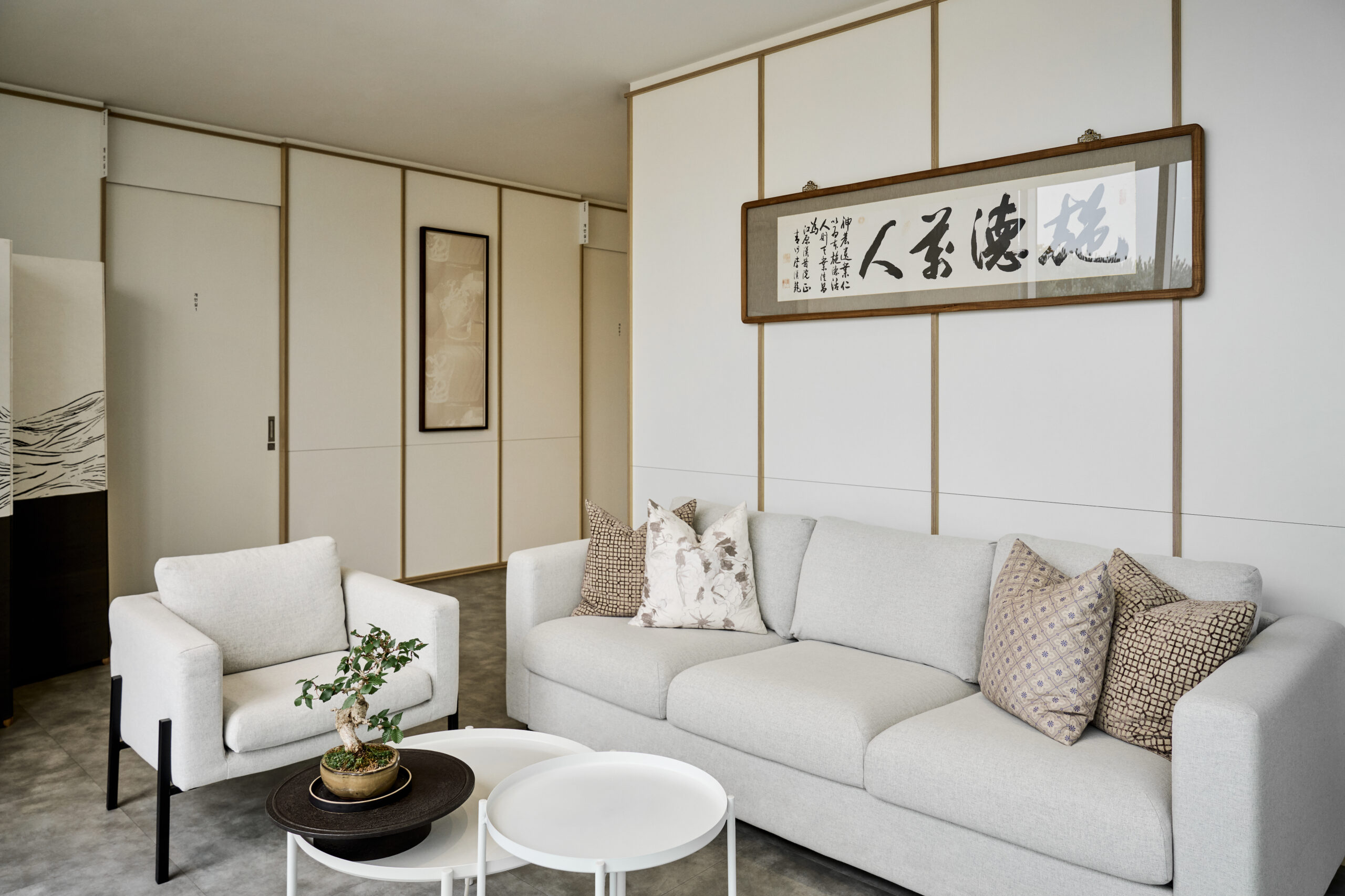
As I sat in the clinic’s lounge overlooking Itaewon, I imagined Dr. Hong meticulously prepare individualized herbal treatments—a process that takes many hours. During this time, patients and their families often gather, transforming treatment preparation into quality time together. This communal aspect reflects the clinic’s philosophy that healing is both personal and relational.
Dr. Hong believes healing must be tailored to each individual because, as he puts it, “no one lives the same life.” Many patients, both Korean and international, have found answers at Gangwon Clinic of Korean Medicine that eluded them elsewhere. The clinic addresses major health challenges including fertility support, hormonal balancing, and palliative care.
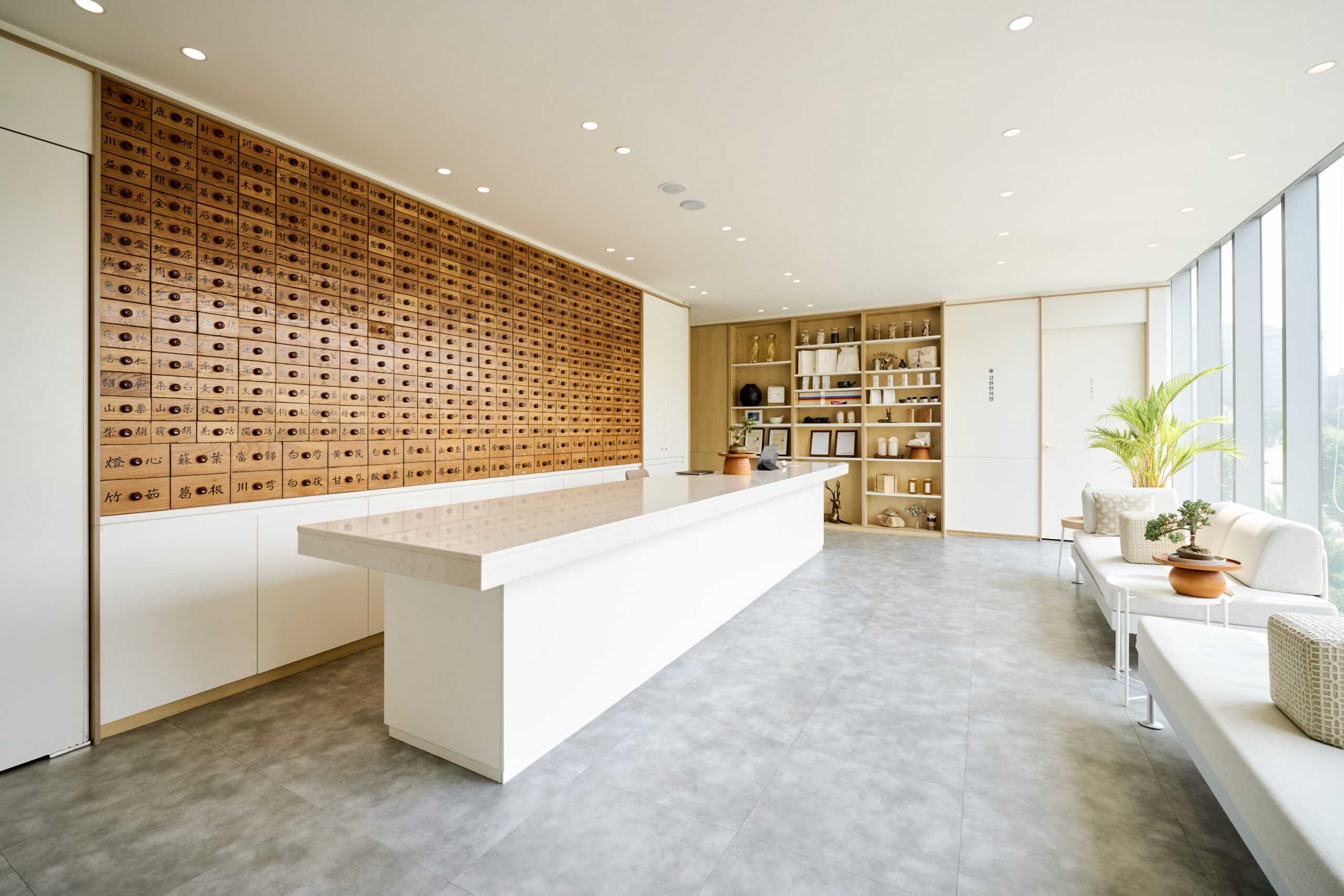
One of Gangwon’s most remarkable features is its continuity of care. Families have returned for three generations, with grandparents, parents, and children all receiving treatment from Dr. Hong and his predecessors. This multi-generational trust speaks to the clinic’s consistent effectiveness and compassionate approach.
Dr. Hong is deeply engaged with the future of medicine, particularly exploring how developments in artificial intelligence and neuroscience may illuminate the mechanisms behind traditional healing systems. “I am most excited about the general advancements in artificial intelligence and neuroscience and how they will affect medical treatment globally,” he explains. What science has struggled to explain in the past may soon be better understood through these technological advances, potentially offering traditional medicine new levels of legitimacy and accessibility.
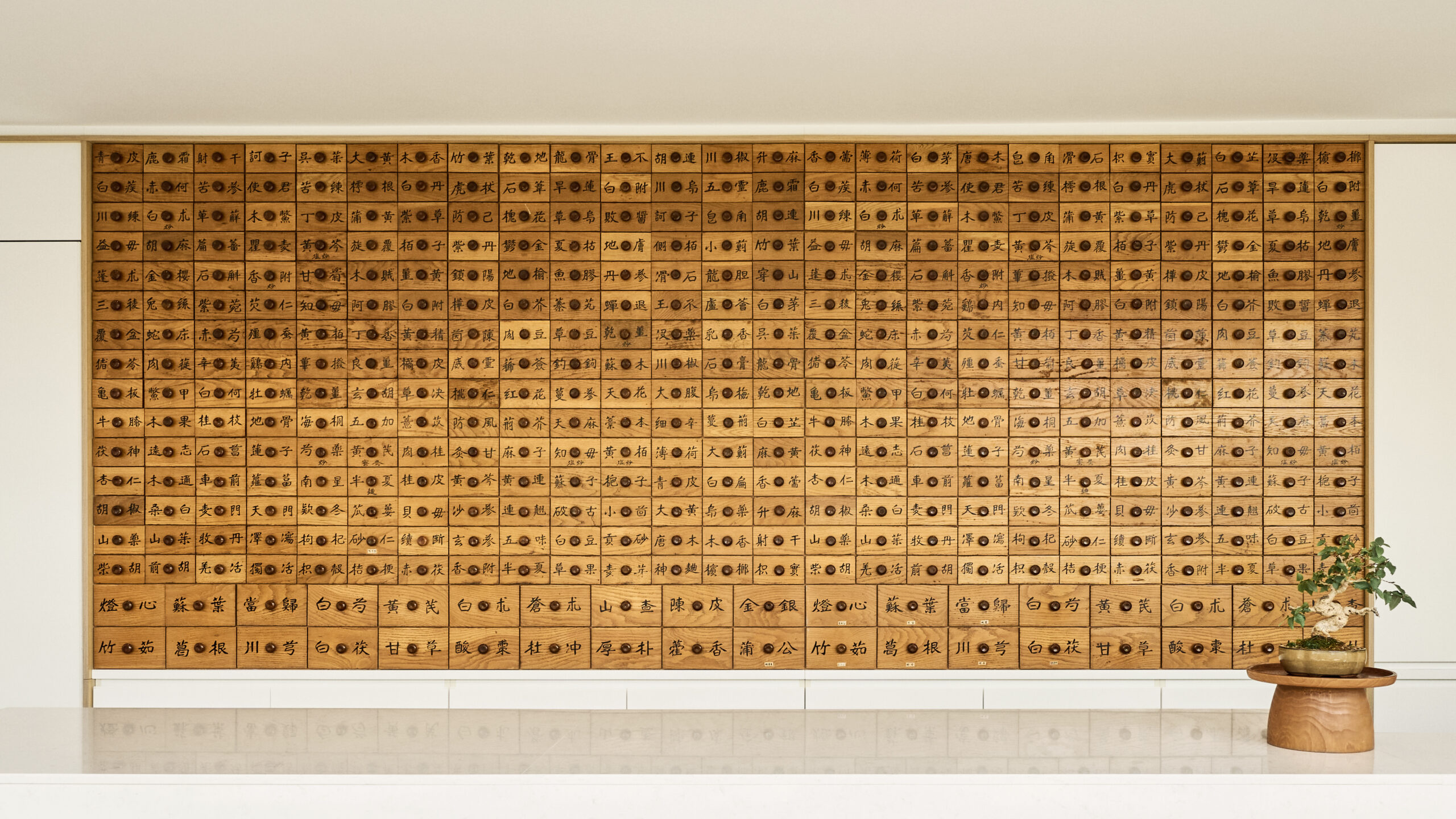
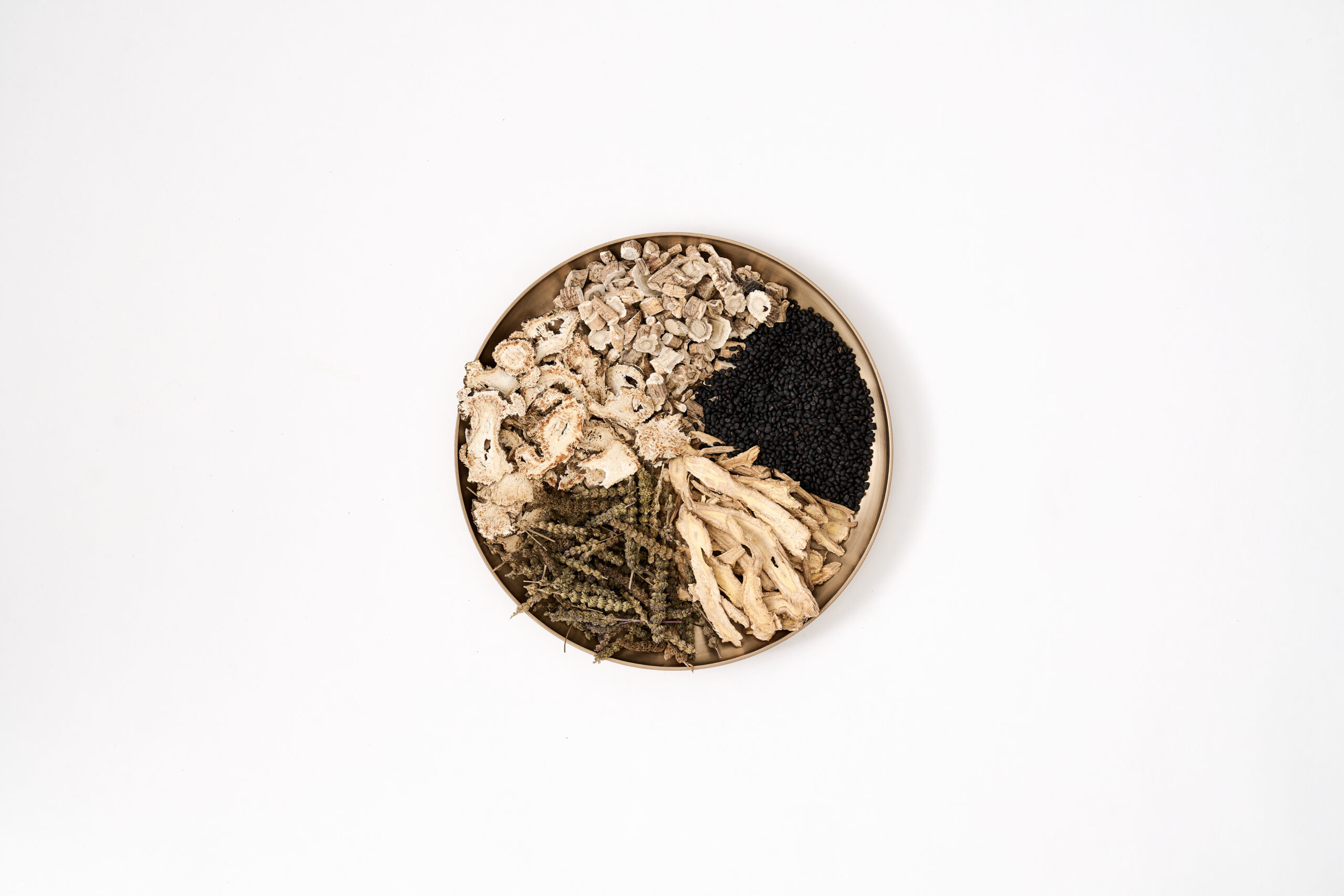
Sustainability permeates every aspect of the clinic’s practice. “Herbal medicine is just like cooking, finding the right ingredients to create the flavor profile for each specific patient is key to treatment,” Dr. Hong explains. While some herbal ingredients are imported, many are locally and seasonally sourced.
When asked about the importance of natural sourcing to treatment effectiveness, Dr. Hong responded, “One of the most important principles of Korean medicine is having an accurate sense of your local environment. Eating foods that grow in your ecosystem is one of the best ways to achieve this.”
This philosophy extends beyond theory into practice. Dr. Hong holds a certification in permaculture and established the Gangwon Permaculture Farm in southern Seoul. Here, the clinic grows ingredients including dates, plums, persimmons, mugwort, and pine trees within a regenerative ecosystem, offering patients the opportunity to heal in direct connection with nature.
According to Dr. Hong, interacting with a healthy, local ecosystem represents one of the most powerful tools for wellness. The clinic’s ambitious goal is to expand the farm into a complete forest ecosystem over the next twenty years.
Dr. Hong’s advice extends beyond treatment to prevention. In addition to yearly medical checkups, he believes everyone should receive a pulse reading from a trained traditional medicine practitioner. This represents an essential form of preventative care that can reveal what the body may not yet be expressing through pain or obvious symptoms.
After diligently following Dr. Hong’s comprehensive treatment plan, my back pain subsided within a few weeks. The experience taught me that sometimes we find answers in the most unexpected places. As Dr. Hong often tells his patients, “Your symptoms are like the leaves on a tree, but your lifestyle is the root. It’s important to focus on the root; otherwise, your symptoms will keep returning.”
Gangwon Clinic of Korean Medicine represents more than a medical facility, it’s a space of restoration where the focus extends beyond temporary relief to encompass realignment and long-term well-being. With its emphasis on personalized care and lifestyle as the foundation of health, the clinic invites us to see healing as a dynamic relationship between body, mind, and nature.